
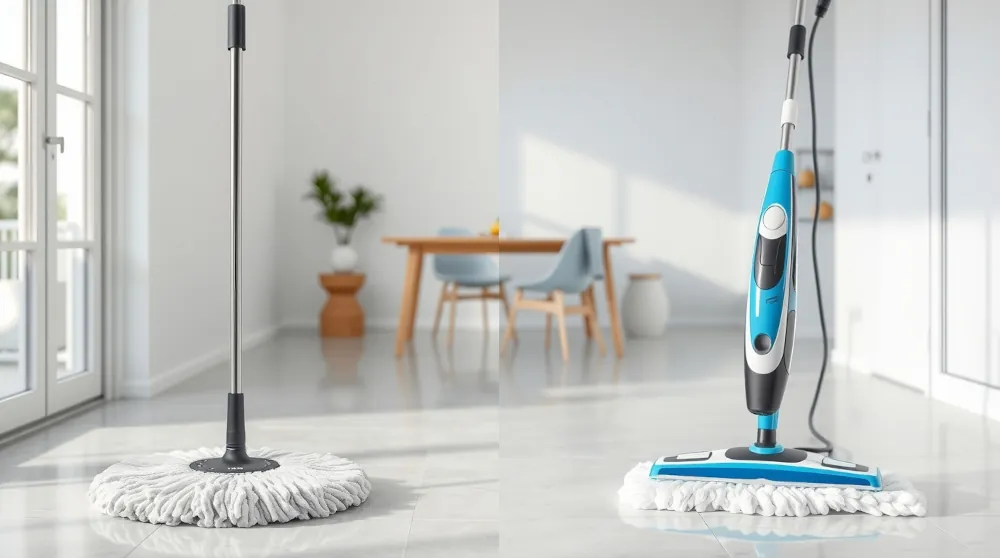
Choosing between a traditional mop and a steam mop sounds simple—until you realize that using the wrong one can leave floors sticky, dull, or even permanently damaged. Many homeowners switch to steam mops expecting deeper cleaning, only to discover new problems like warped floors, lifted seams, or cloudy surfaces.
So which one is actually better?
The answer depends on your floor type, lifestyle, and cleaning goals. This guide breaks down the real differences between a mop and a steam mop, explains when each tool works best, and helps you decide which option is safest for tile, hardwood, laminate, vinyl, and homes with pets or kids.
This article is part of our floor and carpet cleaning guide, where we build a complete system for caring for every surface in your home.
What Is a Traditional Mop?
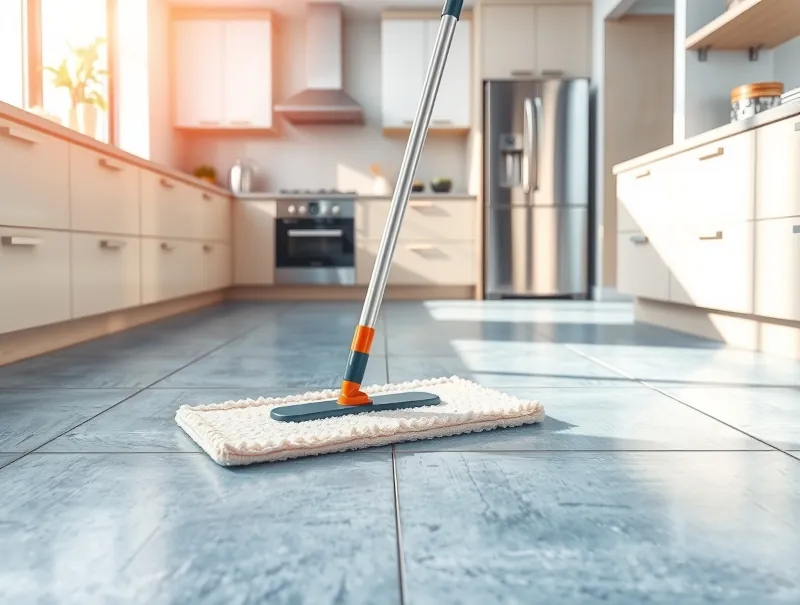
A traditional mop cleans floors using water, cleaning solution, and mechanical friction. While the design varies, the principle remains the same: lift dirt and residue while controlling moisture.
Types of Traditional Mops
Different mop designs serve different purposes.
Spray mops apply a controlled amount of cleaner, making them ideal for laminate and hardwood. Flat microfiber mops distribute moisture evenly and work well for tile and daily maintenance. String mops hold large amounts of water and are better suited for heavy-duty tile cleaning, though they are less precise and more prone to residue buildup.
How Traditional Mops Clean
Traditional mops rely on detergent to loosen dirt and microfiber or fibers to lift it away. Because they use liquid cleaners, they are excellent for removing greasy buildup and sticky residue—when used correctly and rinsed properly.
The biggest advantage of a traditional mop is control. You decide how much water and cleaner touches the floor.
What Is a Steam Mop?
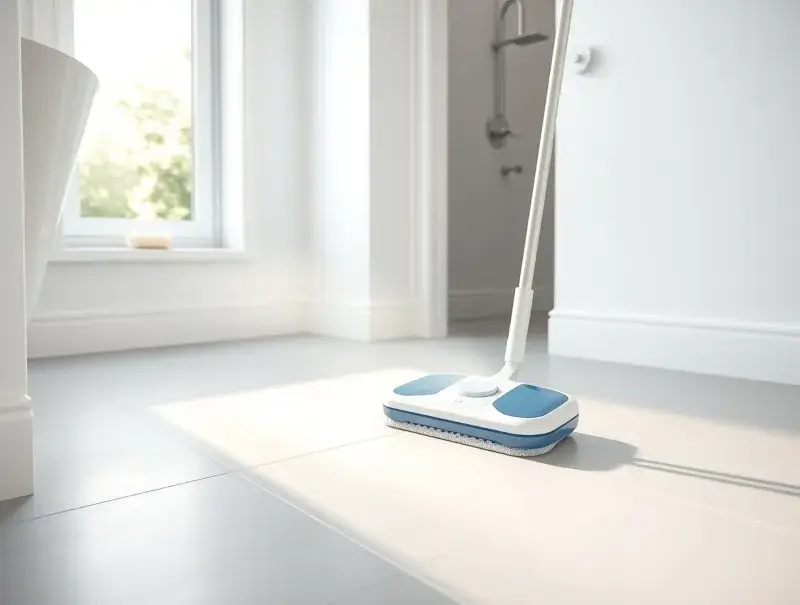
A steam mop uses heated water vapor to clean and sanitize floors. Instead of detergent, it relies on heat to loosen dirt and kill bacteria.
How Steam Mops Work
Steam mops heat water to high temperatures and release pressurized steam through a microfiber pad. The heat breaks down grime, while the pad absorbs loosened debris.
Steam mops are appealing because they promise chemical-free cleaning and sanitization, which is attractive for households with children, pets, or allergies.
What Steam Mops Do Well
Steam mops excel at sanitizing sealed, non-porous surfaces. They dissolve greasy buildup on tile and eliminate bacteria without adding soap residue. For bathrooms and kitchens with sealed tile and grout, steam can be highly effective.
Mop vs Steam Mop: Key Differences
Understanding how these tools differ helps prevent costly mistakes.
Moisture Control
Traditional mops allow precise moisture control. You can wring out excess water and adjust how damp the mop is. Steam mops release moisture in vapor form, which can penetrate seams and joints more easily than liquid water.
Cleaning Power
Steam mops break down grease and bacteria using heat, while traditional mops rely on detergent and mechanical action. Neither is inherently better—their effectiveness depends on the floor type.
Residue Risk
Traditional mops can leave residue if too much cleaner is used or if floors are not rinsed. Steam mops generally do not leave chemical residue, but they can leave moisture behind that causes other problems.
Floor Safety
Traditional mops are safe for almost all floors when used correctly. Steam mops are limited to specific surfaces and can damage sensitive flooring.
Is a Steam Mop Safe for Tile Floors?
Yes—with conditions.
Steam mops are safe for ceramic and porcelain tile if the grout is sealed and the tile is in good condition. Steam dissolves grease, sanitizes surfaces, and refreshes tile effectively.
However, steam should be avoided on cracked tile, unsealed grout, or older floors with weakened adhesive. Moisture can seep beneath the surface and cause damage over time.
For routine tile maintenance and residue removal, traditional mopping is often sufficient. Steam is best used occasionally, not daily.
Related guide: How to Clean Tile Floors
Is a Steam Mop Safe for Hardwood Floors?
In most cases, no.
Hardwood floors are sensitive to heat and moisture. Steam can penetrate seams, cause boards to swell, and weaken adhesives. Even engineered hardwood is often not steam-safe unless explicitly approved by the manufacturer.
If you’re dealing with sticky or dull hardwood, the solution is usually residue removal—not steam. A barely damp microfiber mop with a hardwood-safe cleaner is the correct approach.
Related guide: Best Way to Clean Hardwood Floors
Is a Steam Mop Safe for Laminate Floors?
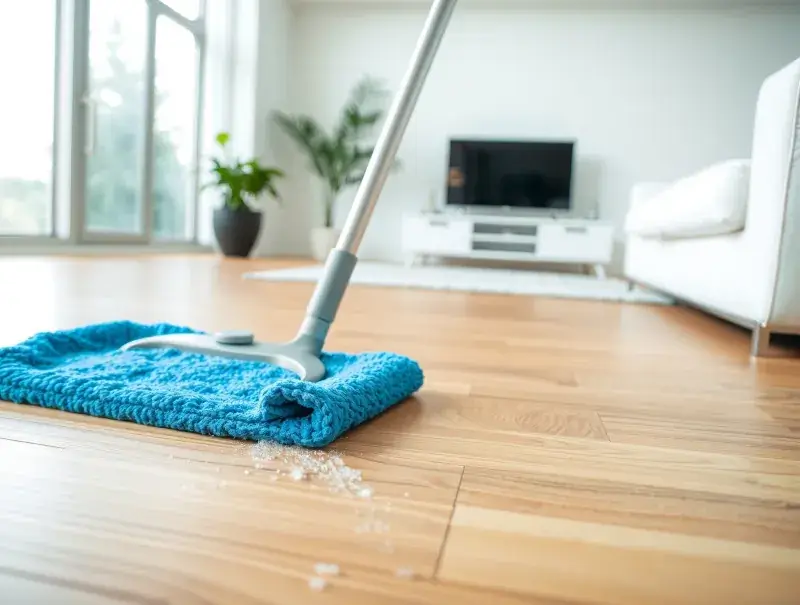
Steam mops should never be used on laminate floors.
Laminate boards are made from compressed fiberboard that swells when exposed to moisture. Steam can force vapor into seams, causing bubbling, lifting, and permanent damage.
Laminate floors stay clean with spray mops, microfiber pads, and minimal moisture.
Related guide: Laminate Floor Cleaning Tips
Mop vs Steam Mop for Vinyl Floors
Vinyl floors are more water-resistant than laminate, but not all vinyl is steam-safe. Luxury vinyl plank (LVP) often has adhesive layers that can weaken under heat.
If your vinyl manufacturer allows steam, occasional use may be acceptable. Otherwise, traditional mopping is the safer choice.
Mop vs Steam Mop for Homes with Pets and Kids
Homes with pets and children often need frequent cleaning and sanitization.
Steam mops are appealing because they kill bacteria without chemicals. However, frequent steam use can shorten floor lifespan if the surface is not steam-safe.
A better strategy is combining tools:
- Use a traditional mop for routine cleaning
- Use steam occasionally on approved tile surfaces
- Use enzyme cleaners for pet-related messes
Related guide: How to Fix Sticky Floors & Remove Scuff Marks
When a Traditional Mop Is the Better Choice
A traditional mop is better when:
- You have hardwood or laminate floors
- You need to remove sticky residue
- You want full moisture control
- You clean frequently and lightly
- Your floors are older or delicate
Traditional mops offer flexibility and safety across most floor types.
When a Steam Mop Makes Sense
A steam mop works best when:
- Floors are sealed ceramic or porcelain tile
- You want occasional deep sanitization
- You avoid daily steam use
- Floors are in good structural condition
Steam is a specialized tool, not an everyday solution.
Common Mistakes People Make with Steam Mops
Using steam too frequently, ignoring manufacturer guidelines, or assuming steam is safe for all floors leads to damage. Steam should never replace basic floor care—it should complement it when appropriate.
Final Verdict: Mop or Steam Mop?
Neither tool is universally better. The best choice depends on your floors, cleaning habits, and goals.
For most homes, a high-quality microfiber mop handles 90% of cleaning needs safely. Steam mops are useful for specific scenarios, mainly sealed tile, and should be used sparingly.
If you’re building a complete cleaning system, start with the right mop—and add steam only where it truly makes sense.
For a full breakdown of routines, tools, and floor-specific care, explore our floor and carpet cleaning guide, where each cluster article connects into a clear, practical system.