
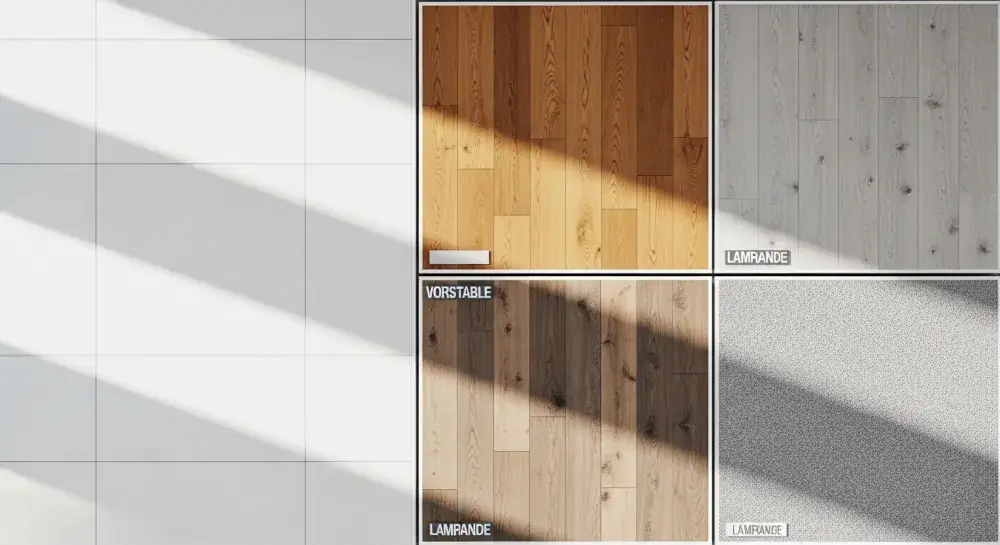
Your floors are the foundation of your home’s comfort. They carry the weight of daily routines, weather changes, spills, crumbs, muddy footprints, and everything in between. And yet, because they’re literally “under our feet,” it’s easy to underestimate how much care they really need.
If you’ve ever thought:
“Why do my floors still look dirty even after I mop?”
“Which cleaning method is right for my floor type?”
“Why do some floors lose shine faster than others?”
You’re not alone — and you’re asking the right questions.
Floor cleaning is not just about wiping dirt away. It’s about understanding how different flooring materials behave, what damages them, what restores them, and what daily habits keep them looking new for years. This guide gives you the complete foundation: how your floors react to water, heat, cleaning chemicals, friction, humidity, and foot traffic — and how to maintain each type properly.
This Part 1 covers everything from floor types, finishes, cleaning methods, tools, and the first half of the cluster-overview sections. Part 2 (coming next) will continue with advanced cleaning strategies, troubleshooting, and preventive care.
Let’s start by understanding the material beneath your feet.
Understanding Floor Types and Their Cleaning Behaviors
Different floors behave differently, and using the wrong method can cause dullness, warping, stickiness, residue buildup, or even permanent damage. Before you choose a cleaner or mop, you need to understand what your floor is made of and how it responds to moisture, heat, and chemicals.
Ceramic & Porcelain Tile Floors
Ceramic and porcelain tiles are among the most durable surfaces in any home. They resist moisture, heat, and daily wear, making them ideal for kitchens, bathrooms, and entryways. But tile has one big vulnerability: residue.
Too much detergent, dirty mop water, or greasy kitchen buildup can leave a cloudy film that steals the shine. Tile also shows streaks easily, especially on glossy surfaces.
Grout is the next challenge. Because grout is porous, it absorbs spills and dirt quickly, causing discoloration that makes the entire floor look dirty.
This is why tile requires:
- pH-neutral cleaners
- minimal detergent
- proper rinsing
- routine grout care
See the full guide: How to Clean Tile Floors.
Hardwood Floors (Solid or Engineered)
Hardwood is beautiful, warm, and timeless — but also sensitive. Excess water can cause cupping or warping. Harsh cleaners strip protective coatings. Steam can penetrate seams and damage planks from the inside.
Hardwood behaves differently depending on its finish:
- Polyurethane-coated wood is more water-resistant.
- Oiled wood absorbs products differently and needs specific maintenance.
- Engineered wood has a thin veneer layer that requires gentle care.
Because of its vulnerability, hardwood cleaning must always prioritize:
- very little moisture
- pH-balanced cleaners
- quick drying
- avoiding harsh chemicals or steam
Upcoming: Best Way to Clean Hardwood Floors.
Laminate Flooring
Laminate mimics the look of hardwood but is often more affordable. However, laminate is vulnerable to moisture swelling, meaning overly wet mops can cause the boards to bubble or distort.
Laminate also has a wear layer that can dull if you use acidic or abrasive cleaners. The key to laminate care is:
- almost-dry mop
- never using steam
- avoiding excessive soap
- gently lifting sticky spots rather than scrubbing aggressively
See the upcoming guide: Laminate Floor Cleaning Tips.
Carpet Flooring (Plush, Berber, Shag)
Carpet brings warmth and comfort to any home, but it traps dust, odors, oils, and stains more than any hard-surface flooring. The deeper the pile, the more dirt it can hold — sometimes without you noticing.
Each carpet type behaves differently:
- Plush carpet shows footprints and vacuum marks easily.
- Berber carpet is more durable but harder to clean once stains set deep.
- Shag carpet needs special vacuum attachments to prevent fiber damage.
Carpet also absorbs smells from pets, spills, and daily activity, making regular maintenance essential.
Cluster article: Carpet Cleaning Hacks.
Vinyl & Luxury Vinyl Tile (Optional but Useful)
Even though this isn’t part of your cluster, it’s valuable to mention for completeness. Vinyl floors are water-resistant and easy to maintain, but harsh chemicals can fade their protective coating over time.
Understanding these materials helps you choose the right tool, cleaner, and technique — which is exactly what we dive into next.
How Floor Finishes Affect Cleaning Results
Two floors may look identical but require entirely different care based on their finish. The finish determines shine, slip-resistance, water tolerance, and how easily dirt becomes visible.
Glossy Tile Finish
Glossy tiles look stunning when clean but show streaks, water spots, and footprints easily. They require the right mop technique and minimal product usage to avoid cloudy patches.
Matte Tile Finish
Matte tile hides streaks better but traps dirt in micro-textures. Deep cleaning may be required more frequently, and grout lines tend to absorb spills more quickly.
Textured or Anti-Slip Tile
Popular in bathrooms and outdoor areas, these surfaces hold dirt inside grooves. They require scrubbing or specialized brushes to fully remove embedded soil.
Polyurethane-Coated Hardwood
This finish forms a protective layer on top of the wood, making it more resilient to moisture and easier to clean — but harsh chemicals can still break down the coating over time.
Oiled Hardwood Finish
Oiled wood absorbs products into the surface, meaning cleaning must be gentle. These floors need periodic re-oiling to maintain shine and durability.
Sealed vs. Unsealed Grout
Sealed grout resists stains far better, while unsealed grout absorbs almost everything. If your grout is unsealed, your cleaning frequency — especially in kitchens — needs to double.
The Essential Tools Every Home Needs for Floor Cleaning
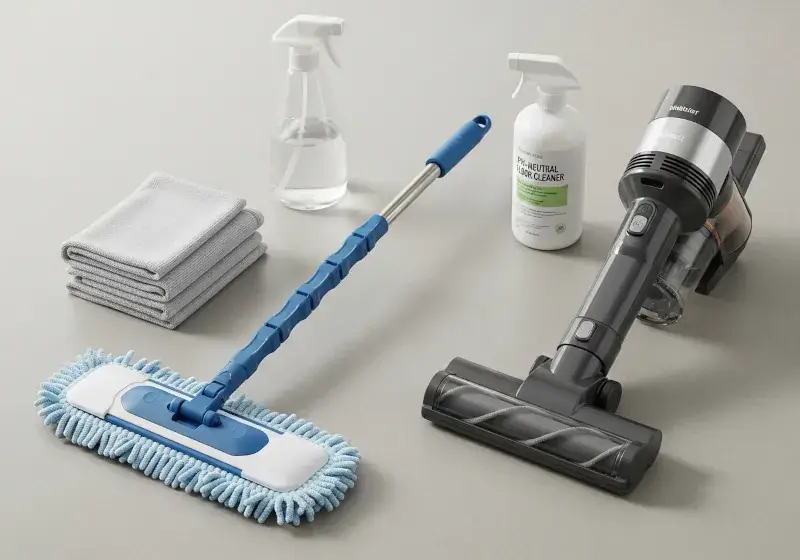
You don’t need an expensive cleaning arsenal. What you need are the right tools that match your floor type and lifestyle. Here are the essentials every home should have.
Microfiber Mop
The gold standard for modern floor care. Microfiber lifts dust, oils, and residue without scratching any floor type. It distributes moisture evenly and reduces streaks dramatically. It also dries faster, which prevents water damage on hardwood and laminate.
A good microfiber mop can replace three or four traditional tools — making it an investment worth having.
Mop Types and When to Use Them
String mops are outdated for most homes. They hold too much water and leave streaks.
Sponge mops work for tile but push dirt into grout lines.
Spray mops are excellent for laminate and hardwood because they control moisture.
Microfiber flat mops are generally best for daily maintenance across all floor types.
Vacuum Cleaner With Proper Attachments
A vacuum with a soft-brush attachment prevents scratching on tile and hardwood while removing far more dust than a broom ever could. For carpets, rotating brushes lift fibers and remove embedded debris.
Vacuuming before mopping is one of the most underrated cleaning tricks — but it makes a huge difference.
Steam Mop: Useful but Not for Every Floor
Steam mops sanitize tile beautifully, but they must never be used on:
- hardwood (unless specifically allowed by manufacturer)
- laminate
- unsealed floors
- floors with lifting seams
Knowing when steam is safe and when it isn’t prevents costly repairs.
Cleaning Solutions
Floor cleaners fall into three categories:
- pH-neutral cleaners – safest for most floors
- Degreasers – used primarily for kitchens
- Enzyme cleaners – best for carpets and organic stains
DIY cleaners like vinegar or dish soap must be used carefully. Vinegar damages natural stone, and dish soap creates sticky residue if not rinsed well.
Master Cleaning Methods: Daily, Weekly, and Deep Cleaning
Different floors require different schedules, but the principles are consistent. Think of this section as your master blueprint for maintaining any floor in your home.
Daily Routine: Quick, Light, Effective
Daily cleaning focuses on preventing buildup, which dramatically reduces the need for deep cleaning later.
Daily floor care includes:
- sweeping or vacuuming high-traffic areas
- wiping sticky spots immediately
- light mopping with minimal solution
Dust doesn’t just look messy — it erodes shine over time.
Weekly Cleaning: Restoring Shine
This routine removes fingerprints, oil films, and light stains. Weekly cleaning includes:
- mopping kitchen and dining tile
- vacuuming carpets fully
- wiping baseboards
- polishing hardwood (if recommended)
Weekly care is where you maintain the visual cleanliness of the home.
Monthly Deep Cleaning: Resetting Your Floors
Deep cleaning restores dull floors and removes residue that daily cleaning can’t. It includes:
- scrubbing textured tile
- cleaning grout
- removing built-up residue
- refreshing hardwood with maintenance oil (if needed)
- deodorizing carpets
- using focused stain-removal methods
This monthly reset keeps your floors looking newer for longer.
Seasonal Floor Care Checklist
Seasonal changes introduce specific challenges:
- Rainy season: mud, moisture, and mold risks
- Dry season: dust accumulation
- Winter (in colder regions): road salt and grit
- Summer: humidity affecting hardwood
Your cleaning methods should adapt with the seasons to maintain floor performance and longevity.
Tile Floor Care
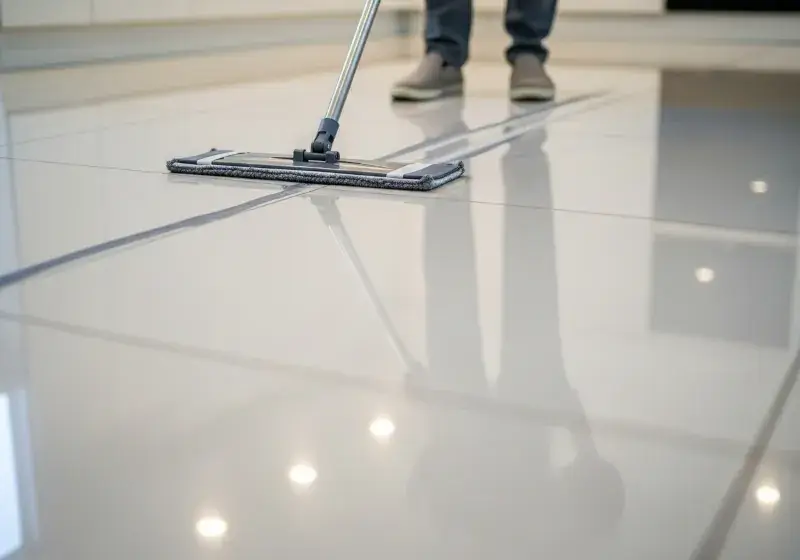
Tile floors are the easiest to clean but also show mistakes the fastest. The two biggest tile problems are residue buildup and dirty grout, both of which make floors look dirtier than they actually are.
The core tile-care principles:
- Use minimal floor cleaner
- Mop in straight lines
- Change mop water frequently
- Rinse well
- Clean grout regularly
Full guide: How to Clean Tile Floors.
Troubleshooting: How to Fix Sticky Floors & Remove Scuff Marks.
Hardwood Floor Care
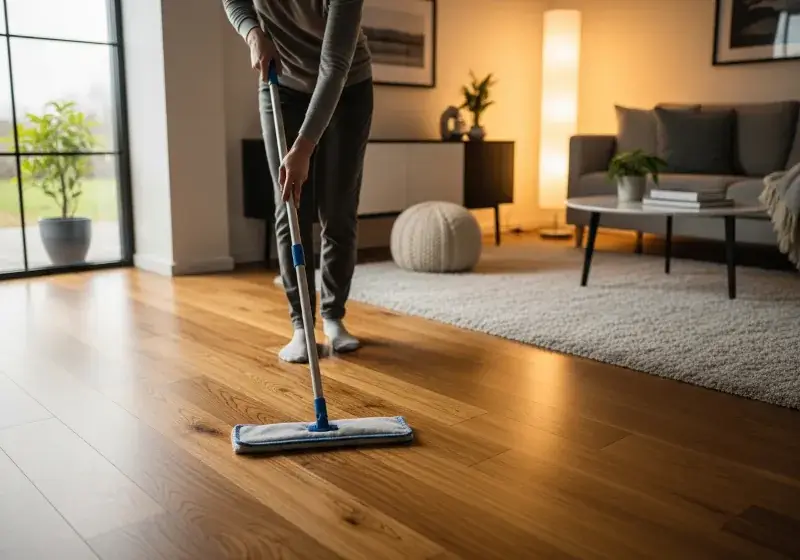
Hardwood needs a balance of gentle cleaning and protective habits. Unlike tile, hardwood cannot handle excessive moisture. Its beauty depends on preserving the finish.
Hardwood care essentials:
- Use a barely damp mop
- Avoid steam
- Choose pH-neutral hardwood cleaners
- Dry immediately
- Use humidity control where needed
Upcoming detailed guide: Best Way to Clean Hardwood Floors.
Laminate Floor Care
Laminate looks like hardwood but behaves more like a photo layer on top of compressed fiberboard. This is why moisture, steam, and harsh scrubbing must be avoided. Laminate’s shine is preserved through gentle, controlled cleaning.
Key principles:
- Use a spray mop
- Avoid standing water
- Clean spills immediately
- Never use steam
- Avoid strong detergents
Coming soon: Laminate Floor Cleaning Tips.
Carpet & Upholstery Care
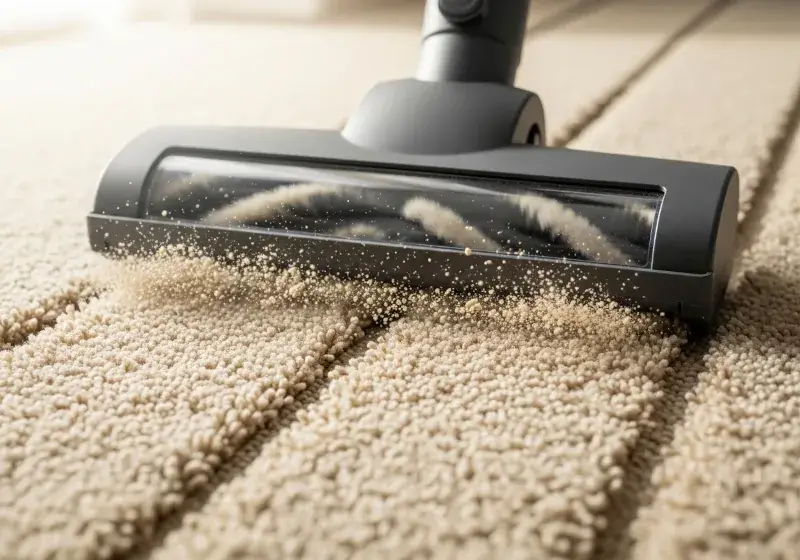
Carpet and upholstery trap dirt, allergens, odors, and stains. Proper vacuuming, periodic deep cleaning, and the right stain-removal techniques keep fabrics fresh.
Key methods include:
- enzyme cleaners for organic stains
- baking soda for deodorizing
- vacuuming with rotating brush
- blotting stains instead of rubbing
Cluster guide: Carpet Cleaning Hacks.
Sticky Floors & Scuff Marks
Sticky floors and scuff marks are two of the most common floor problems — and both can appear even when you think you’re cleaning correctly. Sticky residue usually comes from too much detergent or from dirty mop water being spread across the floor. Scuff marks, on the other hand, are caused by friction from rubber soles, furniture legs, kids’ toys, or even vacuum wheels.
Understanding the root cause makes fixing the problem much faster and easier.
What Causes Sticky Floors?
Most sticky floors are the result of:
- using too much cleaning product
- not rinsing the mop frequently
- old spills that weren’t fully removed
- greasy kitchen residue
- the wrong cleaner for the floor type
Tile is particularly prone to stickiness because residue dries on the surface and shows immediately. Hardwood can also feel tacky if a product builds up on the finish.
How to Fix Sticky Floors Fast
A simple solution is to mop the floor with warm water and a teaspoon of dish soap to break down old residue. Then rinse the floor with clean water using a microfiber mop. For stubborn sticky areas, baking soda paste works well on tile, but it should never be used on hardwood.
What Causes Scuff Marks?
Scuff marks appear when rubber or hard materials drag against the floor surface. Tile and hardwood both show scuffs easily, especially in hallways and entryways. While harmless, scuffs look messy and aged.
How to Remove Scuff Marks Safely
Most scuff marks can be removed using:
- a magic eraser
- a microfiber cloth with mild cleaner
- baking soda paste (tile only)
- a tennis ball rubbed over the mark
Hardwood requires more caution: always test products in an inconspicuous area to avoid damaging the finish.
Mop vs Steam Mop
Choosing the right floor-cleaning tool makes a massive difference in both cleanliness and floor lifespan. Many homeowners wonder whether they should switch to a steam mop or stay with a traditional mop — but the answer depends entirely on your floor type.
When a Traditional Mop Works Best
Traditional mops are great for:
- tile floors
- vinyl floors
- laminate (only spray mop type)
- everyday light cleaning
They give full control over how much moisture you apply and are safe for almost all flooring types when used correctly.
When a Steam Mop Is Safe and Effective
Steam mops excel at:
- sanitizing tile
- dissolving greasy buildup
- removing bacteria without chemicals
They are ideal for kitchens and bathrooms — as long as your grout is sealed. Steam penetrates surface debris quickly and loosens dirt without scrubbing.
Floors That Should Never Be Steam-Mopped
Because steam introduces heat and moisture under pressure, it can damage certain surfaces. Avoid steam mops on:
- hardwood (unless manufacturer-approved)
- laminate
- unsealed tile
- floors with lifted seams
- engineered wood
Steam can warp boards, weaken adhesives, or strip finishes.
See the detailed comparison guide: Mop vs Steam Mop.
Troubleshooting Common Floor Problems (Quick Solutions)
Even with a perfect routine, every floor eventually faces issues like streaking, dullness, discoloration, or unwanted smells. This troubleshooting section gives you fast, effective fixes for the most common floor problems.
1. Streaky Tile After Mopping
Streaks usually come from too much cleaning solution or dirty mop water. Reduce detergent usage and rinse the mop more often. Using a dry microfiber cloth afterward blends streak lines easily.
2. Cloudy Tile That Never Looks Clean
This is almost always dried detergent residue. Deep-clean with warm water and a teaspoon of dish soap, then rinse thoroughly.
3. Sour or Musty Carpet Smell
Causes may include pet accidents, humidity, or deeply embedded dirt. Use baking soda to deodorize, vacuum thoroughly, and consider enzyme cleaners for organic odors. If the smell persists, a carpet extractor may be needed.
4. Sticky Hardwood Floors
Hardwood becomes sticky from residue buildup or the wrong product. Clean with a hardwood-specific cleaner and a slightly damp microfiber mop. Never use vinegar on hardwood unless approved by the manufacturer.
5. White Film on Hardwood
This can indicate product buildup, minerals from hard water, or worn finish. Use a pH-neutral hardwood cleaner and dry immediately.
6. Dull Laminate
Laminate loses shine when wax, polish, or harsh cleaners are used. Laminate should never be polished. Use a laminate-specific cleaner and a microfiber spray mop.
7. Dirty or Discolored Grout
Regular grout cleaning is essential. Use baking soda paste for light stains and a grout cleaner for deep discoloration. Re-seal grout every 6–12 months for easier maintenance.
8. Footprint Marks on Tile or Laminate
These appear when oil film is left behind. Use a degreasing cleaner (safe for tile) or a laminate-specific spray to cut through the residue.
9. Carpet Fibers Flattening in High-Traffic Areas
Carpet fibers flatten due to repeated compression. A carpet rake, vacuum with a rotating brush, and periodic steam extraction help lift fibers.
10. Black Scuff Lines at Baseboards
Often caused by shoes brushing against the wall. Remove with a magic eraser or mild cleaner.
11. Squeaky Hardwood Floors
This happens when boards rub together due to changes in humidity. Using felt pads or adjusting indoor humidity often helps.
12. Sticky Spots that Always Return
Usually from old food spills, sugary drinks, or oily residue. Treat with a degreasing solution and rinse thoroughly.
Preventive Floor Care (Stop Problems Before They Start)
Smart preventive habits reduce cleaning time and help your floors stay beautiful for years. These strategies protect all types of flooring and prevent the most common wear-and-tear issues.
Use Entryway Mats
Most of the dirt in your home is brought in from outside. A well-placed entryway mat captures up to 70% of dust, mud, and grit before it reaches your floors.
Add Furniture Pads to Protect Floors
Felt pads under chairs and furniture prevent scratches on hardwood and tile. They also reduce noise and make furniture easier to move.
Control Indoor Humidity
Hardwood expands and contracts based on humidity. Keeping your home between 35–55% humidity prevents warping, cupping, and squeaking.
Vacuum Regularly
Vacuuming is the most effective way to remove dust that dulls floors. Even tile benefits from routine vacuuming, as it prevents grit from scratching the surface.
Use Rugs in High-Traffic Areas
Runners and area rugs protect floors from constant friction. They also reduce carpet fiber flattening and help maintain hardwood finishes.
Clean Spills Immediately
Moisture does the most damage when left to settle. Wipe spills as soon as they happen to prevent staining or warping.
Choose the Right Cleaner
Never assume one product works for all floors. Using a floor-specific cleaner preserves finishes and prevents long-term issues.
Maintenance Plan (Daily, Weekly, Monthly, Seasonal)
This maintenance plan helps you build a sustainable routine that keeps every floor in your home looking fresh with minimal effort.
Daily Tasks
- Sweep or vacuum high-traffic areas
- Wipe sticky or greasy spots
- Quick mop in kitchens if needed
Weekly Tasks
- Full mopping of tile and laminate
- Vacuum all carpets
- Light hardwood cleaning
- Clean area rugs and runners
Monthly Tasks
- Deep-clean tile floors
- Refresh hardwood
- Clean grout
- Deodorize carpet with baking soda
- Inspect floors for scratches or dullness
Seasonal Tasks
- Adjust cleaning habits for weather changes
- Re-seal grout or hardwood if needed
- Steam-clean carpets (if applicable)
- Refresh entryway mats
This long-term plan keeps floors consistently clean without overwhelming your routine.
Final Takeaway: Build a Floor-Care System That Works for Your Home
Clean floors are not about scrubbing harder — they’re about using smarter methods that match your flooring material, finish, climate, and lifestyle. Once you understand how your floors behave and what they need, maintenance becomes faster, easier, and more enjoyable.
This Pillar Guide connects every detailed cluster article in the Floor & Carpet Cleaning category, giving you a complete foundation for caring for your home’s surfaces. For deeper guidance, you can explore the individual articles linked throughout this pillar:
- How to Clean Tile Floors
- Best Way to Clean Hardwood Floors
- Laminate Floor Cleaning Tips
- How to Fix Sticky Floors & Remove Scuff Marks
- Mop vs Steam Mop
- Carpet Cleaning Hacks
- Upholstery Cleaning Tips
With the right knowledge, your floors can stay beautiful, shiny, and comfortable — every single day.