
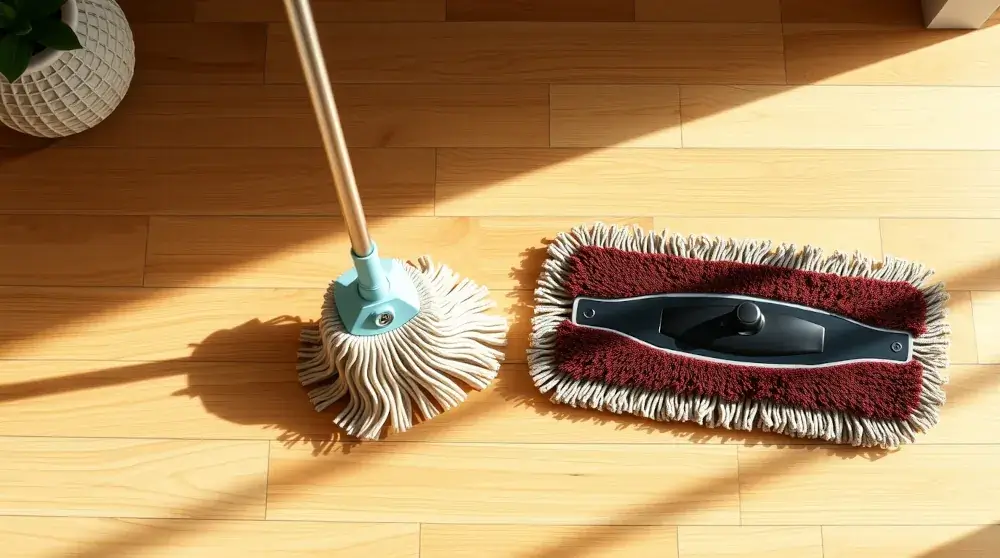
Hardwood floors add warmth, character, and long-term value to a home. When properly maintained, they can last for decades and even improve with age. Yet hardwood is also one of the most commonly damaged floor types—not because it is fragile, but because it is often cleaned the wrong way.
Many homeowners unintentionally harm their hardwood floors by using too much water, relying on vinegar or steam mops, or applying products meant for tile or laminate. If your hardwood floors look dull, feel sticky, or show marks shortly after cleaning, the issue is almost never the floor itself. It is the method.
This guide explains the best way to clean hardwood floors safely and effectively. You will learn how hardwood reacts to moisture and cleaning products, which tools truly protect the finish, and how to build a realistic cleaning routine that keeps floors clean without shortening their lifespan.
This article is part of our ultimate floor and carpet cleaning guide, where all floor types—tile, hardwood, laminate, carpet, and upholstery—are connected into one complete home-care system.
Understanding Hardwood Floors and Their Finishes
Before choosing a mop or cleaner, it is essential to understand what type of hardwood floor you have. Different constructions and finishes respond differently to moisture, friction, and chemicals.
Solid vs Engineered Hardwood
Solid hardwood is made from a single piece of wood and naturally expands and contracts as humidity changes. This movement is normal, but excess moisture can exaggerate it, leading to cupping or warping over time.
Engineered hardwood uses a real wood veneer layered over a stable core. While it is more dimensionally stable than solid hardwood, it is still sensitive to water and heat. Moisture that penetrates seams can weaken adhesives and cause surface damage.
In practical terms, both solid and engineered hardwood require the same core principles: controlled moisture, gentle tools, and floor-specific cleaners.
Polyurethane-Finished Hardwood
Polyurethane-finished floors have a protective coating that sits on top of the wood. This finish makes everyday cleaning easier and offers resistance to minor spills. However, abrasive tools, acidic cleaners, and repeated steam exposure gradually wear down this protective layer.
Once the finish begins to thin, hardwood becomes more vulnerable to staining and moisture damage. Proper cleaning helps preserve this protective barrier.
Oil-Finished Hardwood
Oil-finished hardwood absorbs oil into the wood rather than sealing it on the surface. These floors have a natural, matte appearance but require different care. Strong cleaners can dry out the wood, while incorrect products may leave patchy discoloration.
Oil-finished floors benefit from gentle cleaning and occasional re-oiling to maintain their appearance and durability.
If you are unsure which finish you have, always choose the gentlest cleaning method and avoid aggressive products until you confirm manufacturer recommendations.
Why Hardwood Floors Become Dull, Sticky, or Damaged
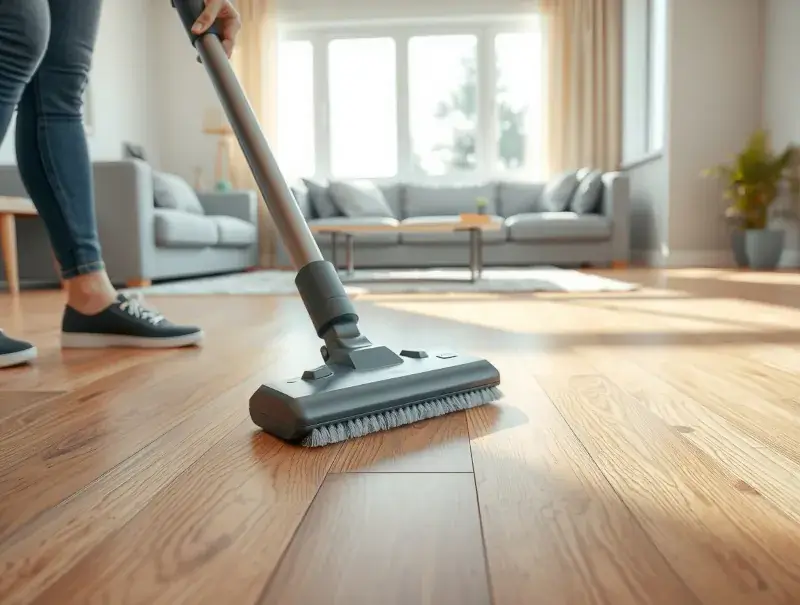
Most hardwood floor problems fall into three categories: moisture damage, residue buildup, and surface abrasion.
Excess Moisture
Water is hardwood’s greatest enemy. Even small amounts left behind after mopping can seep into seams and edges. Over time, this moisture causes boards to swell, cup, or separate.
Repeated over-wet cleaning is one of the most common causes of long-term hardwood damage.
Product and Soap Buildup
Many floor cleaners contain soaps or additives that leave a film behind. This residue attracts dust, causes floors to feel sticky, and makes the surface look cloudy or dull.
Ironically, adding more cleaner often makes the problem worse rather than better.
Grit, Dust, and Friction
Dust and fine grit act like sandpaper underfoot. Without regular dry cleaning, everyday walking slowly scratches the finish, reducing shine and making floors harder to clean over time.
Understanding these causes allows you to prevent most hardwood problems before they start.
The Best Tools for Cleaning Hardwood Floors
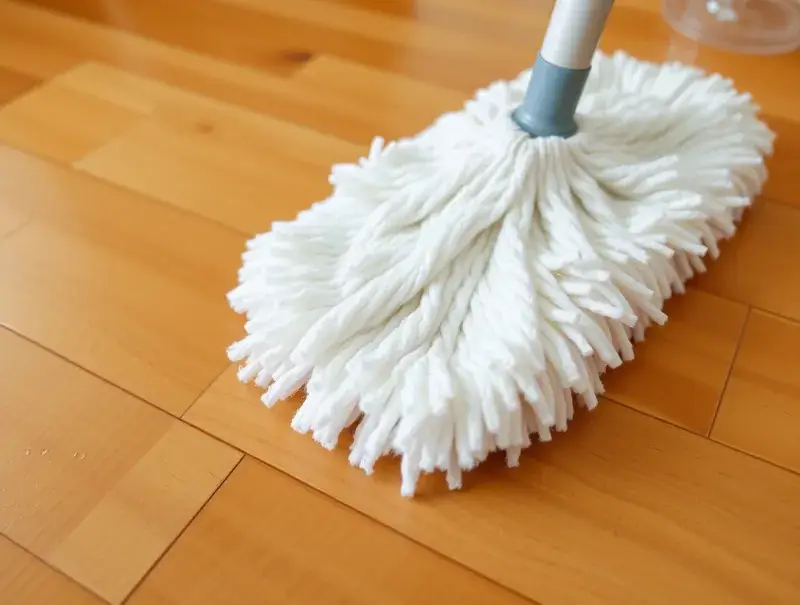
Using the right tools matters more than using strong cleaners. Proper tools protect the finish while making cleaning easier and more effective.
Microfiber Mop
A microfiber mop is the gold standard for hardwood floors. Microfiber lifts dust and residue rather than pushing it around, and it requires very little moisture to be effective.
When used properly, a microfiber mop cleans without scratching and leaves fewer streaks than traditional mops.
Vacuum Cleaner with Soft Brush Attachment
Vacuuming removes grit before it has a chance to scratch the surface. Always use a soft brush or hard-floor attachment to avoid damaging the finish.
Vacuuming before mopping is one of the most effective ways to preserve hardwood floors.
Spray Mop for Spot Cleaning
Spray mops allow precise moisture control, making them useful for kitchens, entryways, and quick cleanups. Always use a hardwood-safe cleaner in the spray bottle and avoid spraying directly onto the floor.
Tools to Avoid
String mops, sponge mops, abrasive scrub pads, and steam mops introduce too much moisture or friction. These tools can permanently damage hardwood and should be avoided.
For a detailed comparison, see Mop vs Steam Mop.
Choosing the Right Cleaner for Hardwood Floors
The cleaner you choose has a direct impact on your floor’s appearance and lifespan.
Use pH-Neutral Hardwood Cleaners
pH-neutral cleaners are specifically formulated to remove dirt without stripping the protective finish. They clean effectively while maintaining the integrity of the surface.
Avoid Vinegar, Ammonia, and Acidic Cleaners
Although commonly recommended online, vinegar and ammonia are acidic and can dull hardwood finishes over time. Even diluted solutions may cause damage with repeated use.
Avoid Soap-Based Cleaners and Polishes
Soap-based products leave residue that causes stickiness and attracts dirt. Polishes can create uneven shine and buildup that becomes difficult to remove later.
Daily, Weekly, and Monthly Hardwood Cleaning Routine
A balanced routine prevents buildup without damaging the floor.
Daily or Frequent Cleaning
Dry cleaning should be your first line of defense. Use a microfiber mop or vacuum to remove dust and grit from high-traffic areas such as entryways and hallways.
This simple habit dramatically reduces scratching and dullness.
Weekly Light Cleaning
Once a week, clean the floor using a barely damp microfiber mop and a hardwood-safe cleaner. Apply cleaner to the mop—not the floor—and work in small sections.
If moisture remains, dry the area immediately with a clean cloth.
Monthly or As-Needed Deep Cleaning
Deep cleaning hardwood is about removing residue, not scrubbing harder. Vacuum thoroughly, then clean with minimal moisture. If residue buildup is present, wipe the surface with a clean, damp microfiber cloth and dry immediately.
Deep cleaning should only be done when necessary, not on a fixed schedule.
What NOT to Use on Hardwood Floors
Using the wrong products can cause irreversible damage.
Steam Mops
Steam forces heat and moisture into seams, causing swelling, warping, or finish failure. Steam mops should never be used on hardwood unless explicitly approved by the manufacturer.
Vinegar and Lemon-Based Cleaners
Acidic cleaners slowly break down finishes and reduce shine.
Dish Soap and Multi-Purpose Cleaners
These products leave residue that causes stickiness and dullness.
Abrasive Pads and Brushes
Abrasives scratch the protective layer and expose raw wood beneath.
How to Fix Sticky Hardwood Floors
Sticky hardwood floors are almost always the result of product buildup.
Use a pH-neutral hardwood cleaner and a lightly damp microfiber mop to remove residue. Avoid adding more product in an attempt to fix the problem.
For detailed steps, see How to Fix Sticky Floors & Remove Scuff Marks.
Cleaning Hardwood Floors by Room
Different rooms create different cleaning challenges.
Kitchens
Kitchens introduce grease and food residue. Focus on frequent dry cleaning and light damp mopping with a hardwood-safe cleaner.
Living Rooms
Living rooms experience heavy foot traffic. Regular vacuuming and furniture pads help protect the finish.
Hallways and Entryways
These areas collect grit from outside. Daily dry cleaning is essential to prevent scratches.
Bedrooms
Bedrooms require less frequent cleaning but still benefit from regular dust removal.
Hardwood Floor Care for Homes with Pets and Kids
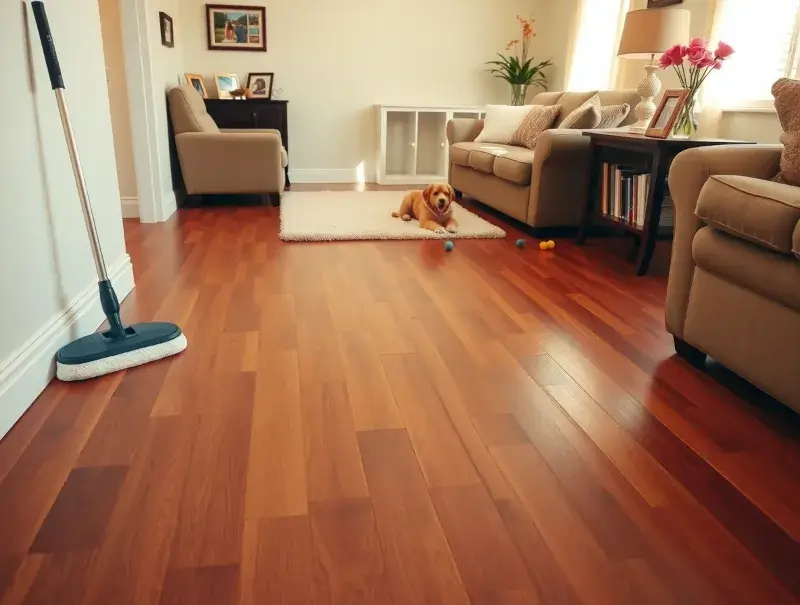
Pets and children increase wear but do not make hardwood impractical.
Vacuum frequently to remove pet hair and grit. Clean accidents immediately to prevent moisture damage. Trim pet nails and use area rugs in high-traffic zones.
Always choose non-toxic, hardwood-safe cleaners for family spaces.
How to Protect Hardwood Floors Long Term
Cleaning alone is not enough to preserve hardwood floors.
Use entryway mats to reduce dirt, add felt pads under furniture, control indoor humidity between 35–55%, and clean spills immediately.
These habits extend the life of your floors far more than frequent deep cleaning.
When to Call a Professional
If hardwood floors remain dull, sticky, or damaged despite proper care, the finish may be worn. Deep scratches, discoloration, or widespread wear may require professional refinishing or recoating.
Final Takeaway
The best way to clean hardwood floors is gentle, controlled, and consistent. Minimal moisture, proper tools, and floor-safe products protect the finish while keeping floors clean and beautiful.
When hardwood floors are cared for correctly, they do not just stay clean—they last for generations.
For a complete system covering every floor type, visit our ultimate floor and carpet cleaning guide, where all cleaning methods connect into one practical routine.