
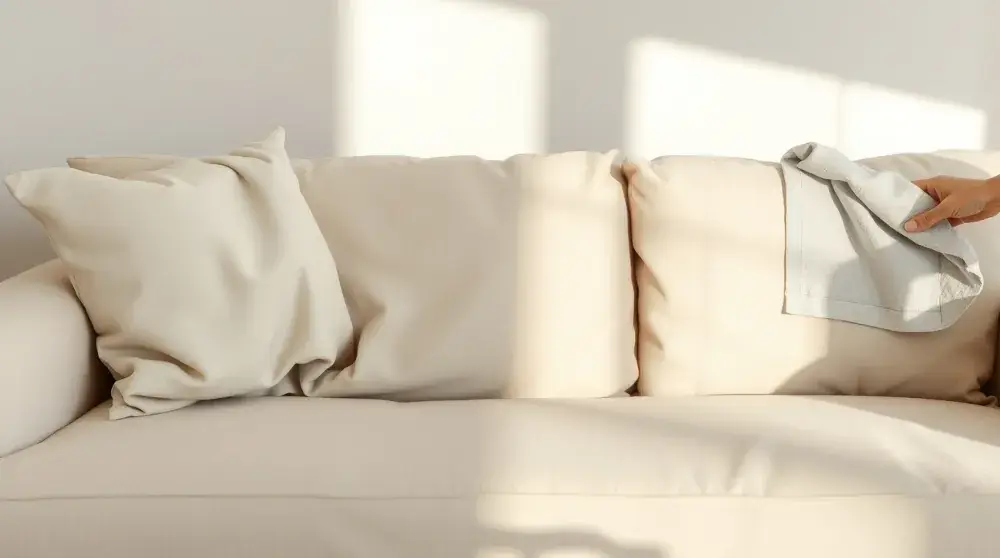
Upholstered furniture makes a home feel comfortable and inviting, but it also absorbs more dirt, oils, and odors than most people realize. Sofas, chairs, and cushions collect dust, body oils, food crumbs, and pet hair every day—often without showing obvious signs of dirt until stains or smells appear.
Many upholstery problems happen not because furniture is neglected, but because it is cleaned the wrong way. Using too much water, the wrong cleaner, or aggressive scrubbing can spread stains, damage fabric fibers, or leave lingering odors behind.
This guide shares practical upholstery cleaning tips that help you clean fabric furniture safely, remove stains effectively, and keep upholstery looking fresh longer. You’ll learn how different fabrics react to moisture, which tools and cleaners work best, and how to build a routine that protects your furniture over time.
This article is part of our ultimate floor and carpet cleaning guide, where carpet, upholstery, and floor care all work together as one system.
Understanding Upholstery Fabrics and Care Labels
Before cleaning any upholstered furniture, it is essential to understand the fabric type and care instructions. Upholstery fabrics vary widely in durability, absorbency, and cleaning tolerance.
Common Upholstery Fabric Types
Natural fabrics like cotton and linen are breathable and comfortable but absorb moisture easily and stain quickly. Synthetic fabrics such as polyester, microfiber, and olefin are more stain-resistant and durable, making them common in family homes. Blended fabrics combine properties of both but still require careful cleaning.
Leather and faux leather require entirely different care and should not be cleaned using fabric upholstery methods.
Upholstery Care Codes Explained
Most upholstered furniture includes a care tag with cleaning codes. “W” means water-based cleaners are safe. “S” indicates solvent-based cleaners only. “WS” allows either type. “X” means vacuuming only—no liquids.
Ignoring these codes can permanently damage upholstery, so always check before cleaning.
Why Upholstery Gets Dirty and Smelly
Upholstery traps dirt differently than carpets or hard floors.
Body Oils and Skin Contact
Daily use transfers oils from skin and hair into fabric fibers. Over time, these oils attract dirt and cause darkened or greasy areas, especially on armrests and headrests.
Food, Drinks, and Spills
Small spills that seem harmless can soak into cushions and padding, creating stains and odors that resurface later.
Pet Hair and Odors
Pet hair embeds deeply in upholstery fibers. Accidents or pet odors often penetrate padding, making surface cleaning ineffective.
Understanding these sources helps target cleaning efforts more effectively.
The Best Tools for Upholstery Cleaning
Using proper tools prevents fabric damage and improves results.
Vacuum Cleaner With Upholstery Attachment
Vacuuming removes dust, crumbs, and pet hair before they grind deeper into fibers. Using an upholstery attachment prevents fabric damage while lifting debris effectively.
Soft-Bristle Brush
A soft brush loosens dirt without fraying fibers. It is especially useful for textured fabrics and high-traffic areas.
Microfiber Cloths
Microfiber cloths absorb moisture and cleaner without spreading stains. White cloths are best to avoid color transfer.
Enzyme Cleaners
Enzyme cleaners break down organic stains and odors rather than masking them. They are essential for food spills and pet-related messes.
Daily and Weekly Upholstery Cleaning Routine
Routine care extends upholstery life and reduces the need for deep cleaning.
Weekly Vacuuming
Vacuum upholstered furniture at least once a week. Focus on seams, crevices, and cushion edges where dirt accumulates most.
Cushion Rotation
Rotate and flip cushions regularly to distribute wear evenly and prevent sagging or uneven discoloration.
Immediate Spot Cleaning
Blot spills as soon as they occur. Quick action prevents liquids from soaking into padding and forming stains.
How to Remove Fresh Upholstery Stains
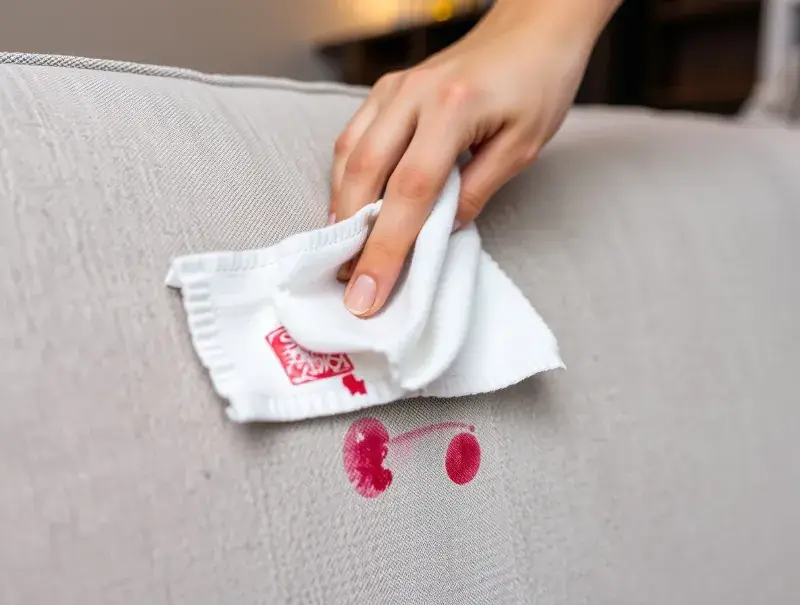
Fast response is critical for stain removal.
Step 1: Blot Gently
Use a clean cloth to blot spills without rubbing. Rubbing spreads stains and damages fibers.
Step 2: Apply the Right Cleaner
Use a fabric-safe or enzyme cleaner appropriate for your upholstery code. Apply cleaner to the cloth, not directly to the fabric.
Step 3: Blot and Dry
Blot until the stain lifts, then allow the area to dry completely. Moisture left behind often causes odor or water marks.
How to Remove Set-In Upholstery Stains
Older stains require patience and careful treatment.
Identify the Stain Type
Protein-based stains respond best to enzyme cleaners. Grease stains require degreasing solutions. Unknown stains should always be spot-tested first.
Work in Layers
Apply cleaner gradually and blot between applications. Saturating the fabric can spread stains into padding.
Ensure Complete Drying
Use airflow or fans to speed drying. Proper drying prevents odor and mildew.
Upholstery Odor Removal Tips That Actually Work
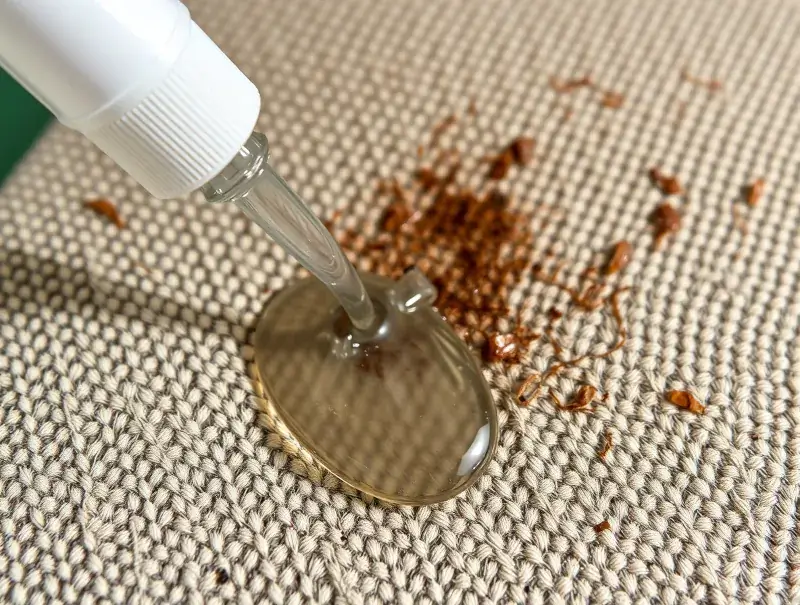
Odors often come from deep within cushions.
Baking Soda Deodorizing
Sprinkle baking soda lightly over dry upholstery, let it sit for several hours, then vacuum thoroughly. Baking soda absorbs odors rather than masking them.
Enzyme Treatment for Persistent Smells
For strong odors, enzyme cleaners must reach the padding. Apply enough product to penetrate fibers and allow sufficient dwell time.
Improve Air Circulation
Good airflow helps moisture evaporate quickly and reduces odor formation.
Deep Cleaning Upholstery Safely
Deep cleaning refreshes fabric but must be done correctly.
When to Deep Clean
Most upholstered furniture benefits from deep cleaning every 6–12 months, or more often in homes with pets and children.
DIY vs Professional Cleaning
DIY upholstery machines work well for routine maintenance. Professional services are better for delicate fabrics, heavy staining, or odor issues that persist.
Avoid Over-Wetting
Excess water can soak padding and cause long drying times, leading to mildew or odors.
Upholstery Cleaning for Homes With Pets and Kids
Busy homes require extra care.
Vacuum frequently to remove pet hair and crumbs. Treat accidents immediately using enzyme cleaners. Use washable slipcovers or throws to protect high-use areas.
Choose non-toxic, fabric-safe cleaners to keep living spaces safe for children and pets.
Common Upholstery Cleaning Mistakes to Avoid
Using too much water, scrubbing aggressively, ignoring care labels, and failing to dry upholstery fully are the most common mistakes.
Avoiding these errors protects both fabric and padding.
How to Protect Upholstered Furniture Long Term
Preventive care reduces cleaning effort and extends furniture life.
Use armrest covers, rotate cushions, keep furniture out of direct sunlight, and vacuum regularly to prevent buildup.
When Upholstery Replacement Makes More Sense
If cushions remain smelly, flattened, or stained despite proper cleaning, padding may be compromised. In some cases, replacement or reupholstering is more practical than repeated deep cleaning.
Final Takeaway
Upholstery cleaning is about gentle care, fast action, and moisture control. With the right tools and habits, fabric furniture can stay clean, comfortable, and odor-free for years.
For a complete home-care system that connects upholstery, carpets, and floors, explore our ultimate floor and carpet cleaning guide, where each surface is covered with the right cleaning strategy.