
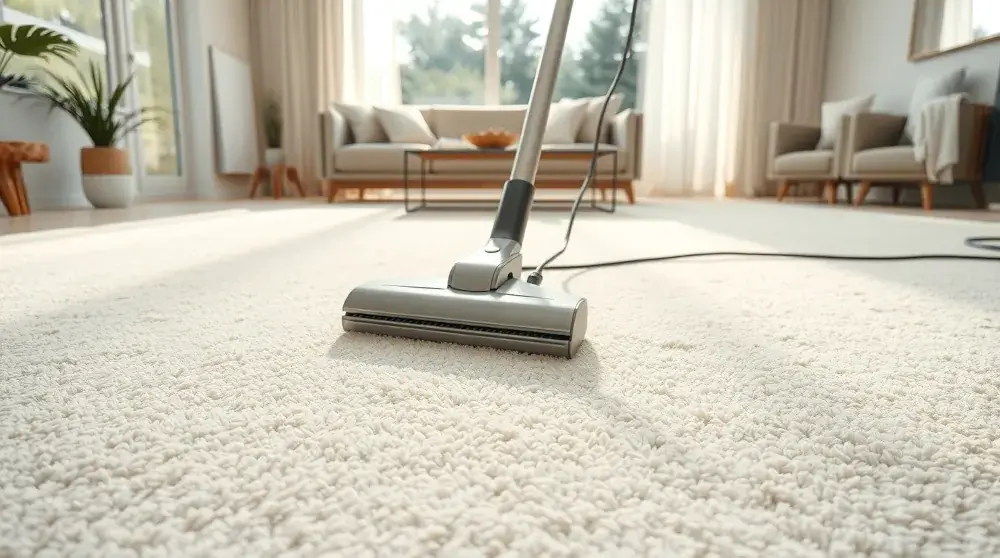
Carpets make a home feel warmer, quieter, and more comfortable—but they also trap more dirt, dust, and odors than any other surface. Even when a carpet looks clean on the surface, dust, oils, and allergens can hide deep within the fibers.
Many carpet problems don’t come from neglect. They come from using the wrong cleaning method, waiting too long to treat stains, or relying on quick fixes that only mask odors instead of removing them.
This guide shares practical, proven carpet cleaning hacks that help you clean deeper, remove stubborn odors, and extend the life of your carpet. You’ll learn how carpets hold dirt, which tools actually work, and how to build a routine that keeps carpets fresh without over-wetting or damaging fibers.
This article is part of our ultimate floor and carpet cleaning guide, where every surface in your home is covered with the right cleaning strategy.
Understanding Carpet Fibers and How They Trap Dirt
Before choosing a cleaner or tool, it helps to understand how carpet works. Carpet fibers act like tiny hooks that trap dust, oils, pet hair, and spills below the surface.
Common Carpet Types
Different carpet styles hold dirt differently. Plush carpets feel soft but show footprints and flatten easily. Berber carpets are durable but allow dirt to settle deep between loops. Shag carpets hide debris well but require gentle vacuuming to avoid fiber damage.
Knowing your carpet type helps you choose the right vacuum settings and cleaning methods.
Why Carpets Smell Even After Cleaning
Odors usually come from organic material—food spills, pet accidents, sweat, or moisture trapped in padding. If moisture is not fully removed, bacteria grow beneath the surface and create lingering smells.
Surface cleaning alone does not solve this problem. Odor removal requires proper drying and the right treatment.
The Best Tools for Carpet Cleaning
Using the correct tools makes carpet cleaning easier and more effective.
Vacuum Cleaner With Rotating Brush
A vacuum with a rotating brush lifts fibers and removes deeply embedded dirt. This is the single most important tool for carpet maintenance.
Vacuuming slowly and methodically is more effective than frequent quick passes.
Carpet Rake
Carpet rakes lift flattened fibers and loosen debris before vacuuming. They are especially useful in high-traffic areas and on plush carpets.
Enzyme Cleaners
Enzyme cleaners break down organic stains and odors rather than masking them. They are essential for pet accidents, food spills, and lingering smells.
Carpet Extractor or Wet Vacuum
Extractors pull dirt and moisture out of carpet fibers. They are useful for deep cleaning but must be used carefully to avoid over-wetting.
Daily and Weekly Carpet Cleaning Routine
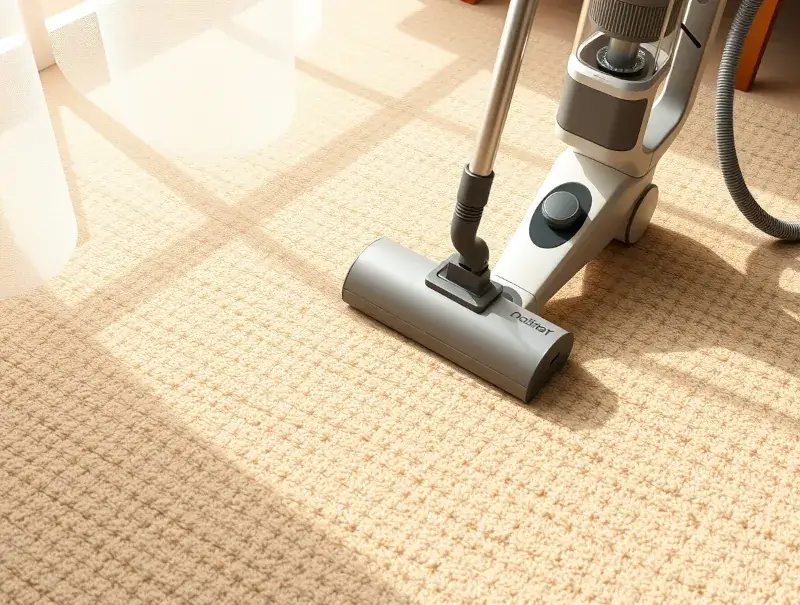
A simple routine prevents most carpet problems.
Daily or Frequent Maintenance
Vacuum high-traffic areas daily or every other day. This prevents grit from grinding into fibers and flattening the pile.
Weekly Deep Vacuuming
Once a week, vacuum the entire carpeted area slowly. Use overlapping passes and change vacuum direction to lift fibers more effectively.
This routine removes far more dirt than occasional aggressive cleaning.
How to Remove Fresh Carpet Stains Quickly
Fast action is the key to stain removal.
Step 1: Blot, Don’t Rub
Use a clean cloth or paper towel to blot liquid spills. Rubbing pushes the stain deeper into the fibers.
Step 2: Use the Right Cleaner
For food and drink spills, a mild carpet cleaner works well. For pet accidents, use an enzyme cleaner to break down odor-causing compounds.
Step 3: Rinse and Blot Dry
Lightly rinse with water and blot until dry. Leaving cleaner behind can attract dirt later.
How to Remove Set-In Carpet Stains
Old stains require patience and the correct approach.
Identify the Stain Type
Protein-based stains (pet urine, food) respond best to enzyme cleaners. Grease stains require degreasing solutions. Unknown stains should be treated gently and tested first.
Apply Cleaner and Let It Work
Enzyme cleaners need time. Apply generously and allow the product to penetrate fibers fully before blotting.
Extract Moisture Completely
Use towels, a wet vacuum, or airflow to dry the area thoroughly. Moisture left behind often causes odors to return.
Carpet Odor Removal Hacks That Actually Work
Odor removal requires more than fragrance.
Baking Soda for Deodorizing
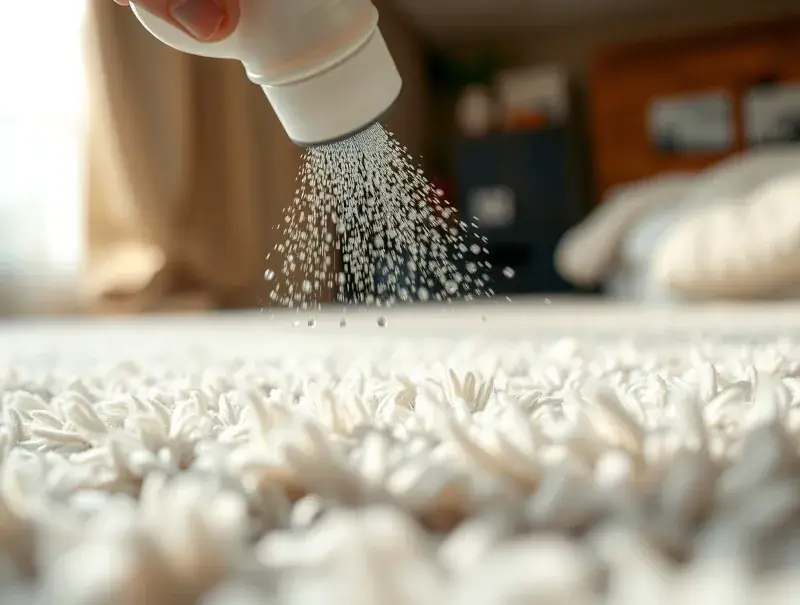
Sprinkle baking soda over dry carpet, let it sit for several hours, then vacuum thoroughly. Baking soda absorbs odors rather than masking them.
Enzyme Treatment for Persistent Smells
For strong odors, enzyme cleaners are essential. Apply enough product to reach the carpet padding where odors often originate.
Improve Drying Time
Use fans, open windows, or dehumidifiers. Faster drying reduces bacterial growth and odor formation.
For step-by-step odor solutions, see How to Remove Pet Stains & Odor.
Deep Cleaning Carpets Safely
Deep cleaning restores carpet appearance but must be done correctly.
When to Deep Clean
Most homes benefit from deep carpet cleaning every 6–12 months, or more often in homes with pets and kids.
How to Avoid Over-Wetting
Use minimal solution and extract as much moisture as possible. Over-wetting leads to mold, mildew, and fiber damage.
DIY vs Professional Cleaning
DIY machines work well for maintenance cleaning. Professional services are best for severe staining, heavy traffic, or long-neglected carpets.
Common Carpet Cleaning Mistakes to Avoid
Using too much water, skipping vacuuming before cleaning, applying heat to protein stains, and failing to dry carpet fully are the most common errors.
Avoiding these mistakes protects both carpet fibers and padding.
Carpet Care for Homes With Pets and Kids
Carpets can still work well in busy homes with the right habits.
Vacuum frequently, treat accidents immediately, and use enzyme cleaners for pet-related messes. Area rugs and runners help protect high-traffic zones.
Choose non-toxic cleaners to keep family spaces safe.
How to Protect Carpets Long Term
Preventive care reduces cleaning effort.
Use entry mats to stop dirt at the door, rotate furniture occasionally, and rearrange rugs to prevent permanent wear patterns.
When Carpet Replacement Is the Better Option
If carpet remains smelly, flattened, or stained despite proper cleaning, the padding may be compromised. In these cases, replacement is often more practical than repeated deep cleaning.
Final Takeaway
Carpet cleaning is not about scrubbing harder—it’s about using the right tools, acting quickly, and managing moisture carefully.
With proper routines and smart cleaning hacks, carpets can stay fresh, comfortable, and inviting for years.
For a complete home system covering every surface, explore our ultimate floor and carpet cleaning guide, where each article connects into one practical routine.