

The kitchen is the heart of the home — but it’s also the place where grease, crumbs, moisture, odors, and bacteria accumulate the fastest. Between cooking, washing dishes, handling groceries, preparing meals, and storing food, your kitchen sees more daily activity than any other space in the house. And when it’s not cleaned properly, mess builds up quickly.
If you’ve ever felt overwhelmed by sticky countertops, greasy cabinet doors, cluttered sinks, or floors that never seem to stay clean, you’re not alone. Most kitchens get messy not because we don’t clean, but because we don’t have a clear system that keeps the space manageable long-term.
This guide gives you a complete, practical, step-by-step cleaning plan for a consistently clean kitchen. From daily maintenance to monthly deep cleaning, plus specific tutorials for every appliance, you’ll learn exactly how to keep your kitchen fresh, safe, and enjoyable to use.
If your kitchen feels cluttered or cramped before cleaning, you may also find this guide helpful ➡️ Storage Solutions for Small Spaces
Let’s make your kitchen your favorite place again.
Why Kitchen Cleaning Matters (Health, Hygiene & Everyday Comfort)
Kitchens Collect Grease, Odors & Hidden Bacteria Fast
Cooking releases oils that turn into sticky films on cabinets, walls, and appliances. Food scraps and moisture create an environment where bacteria, mold, and odors spread easily. Because we use the kitchen multiple times a day, dirt builds up faster compared to other rooms.
Clean Kitchens Improve Food Safety & Reduce Cross-Contamination
A properly cleaned kitchen reduces the risk of foodborne illness. Cutting boards, countertops, sponges, and sinks can harbor harmful bacteria when neglected. Keeping everything sanitized ensures that your food preparation is safe from contaminants.
A Clean Kitchen Makes Cooking Easier & More Enjoyable
Cluttered or dirty kitchens make cooking stressful. Clean surfaces, organized tools, and fresh scents help create a more mindful experience. When your kitchen feels welcoming, you cook more often — and usually eat healthier, too.
Daily Kitchen Cleaning Routine (5–10 Minutes)
Clear & Wipe Countertops After Each Meal
Use a microfiber cloth and a food-safe cleaner. Wipe in circular motions to remove crumbs, smudges, and grease. Keeping counters clear prevents pests and makes each cooking session easier.
Quick Sink Rinse + Dish Control
Don’t let dishes pile up. Run warm soapy water and rinse utensils and plates right after use when possible. This prevents food from drying and sticking, which makes washing easier and keeps odors under control.
Sweep the Floors Quickly
Kitchen floors collect crumbs constantly. A quick daily sweep prevents ants, sticky spots, and grime buildup. Finish with a spot-mop on spills.
Evening Reset for a Fresh Morning
Before going to bed, reset the kitchen: wipe surfaces, load the dishwasher, and clear the sink. Waking up to a clean kitchen sets a positive tone for the day. For a full guide to building daily routines, explore ➡️ Simple Living Routines & Daily Habits
Weekly Kitchen Cleaning Routine (20–30 Minutes)
Clean Stove Surface & Knobs
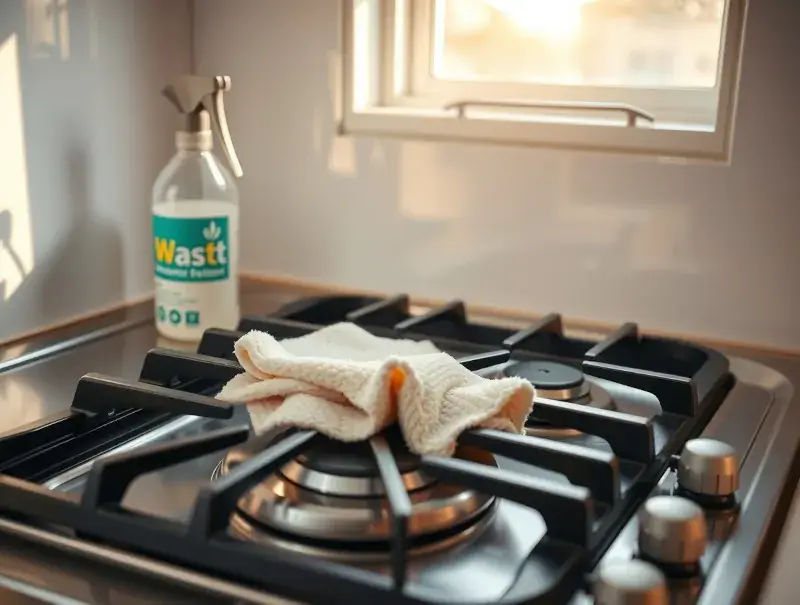
Remove burner covers and wipe the stovetop with degreaser or dish soap. Don’t forget the knobs — they’re one of the most touched surfaces and often ignored.
Wipe Cabinet Doors & Handles
Greasy fingerprints and splatters accumulate faster than you think. Use a damp cloth with mild degreaser. Avoid oversaturating wood cabinets.
Clean Sink Drain & Garbage Disposal
Freshen with baking soda + vinegar followed by hot water. For disposals, grind lemon slices and ice cubes to sharpen and deodorize.
Quick Fridge Toss & Wipe
Remove expired items, wipe spills, and rearrange shelves. For a full deep-clean, check➡️ Fridge Deep Clean Checklist
Monthly Deep Cleaning Tasks
Deep Clean Oven
Remove racks, scrub with baking soda paste, or use a commercial oven cleaner for heavy buildup. For more detail, read➡️ Oven Cleaning Hacks
Microwave Deep Clean (Lemon Steam Method)
Steam-clean the microwave with a bowl of lemon water. This loosens stuck food and neutralizes odors. Learn more here➡️ How to Clean Microwave with Lemon
Degrease Kitchen Cabinets Thoroughly

Focus on upper cabinets near the stove. Use a mixture of warm water + dish soap or natural degreasers. More instructions here➡️ How to Degrease Kitchen Cabinets
Deep Clean Stainless Steel Sink & Appliances
Polish with baking soda or stainless steel cleaner. Remove water spots and restore shine. Full guide ➡️ How to Clean Stainless Steel Sink & Appliances
Deep Clean Air Fryer (Inside & Outside)
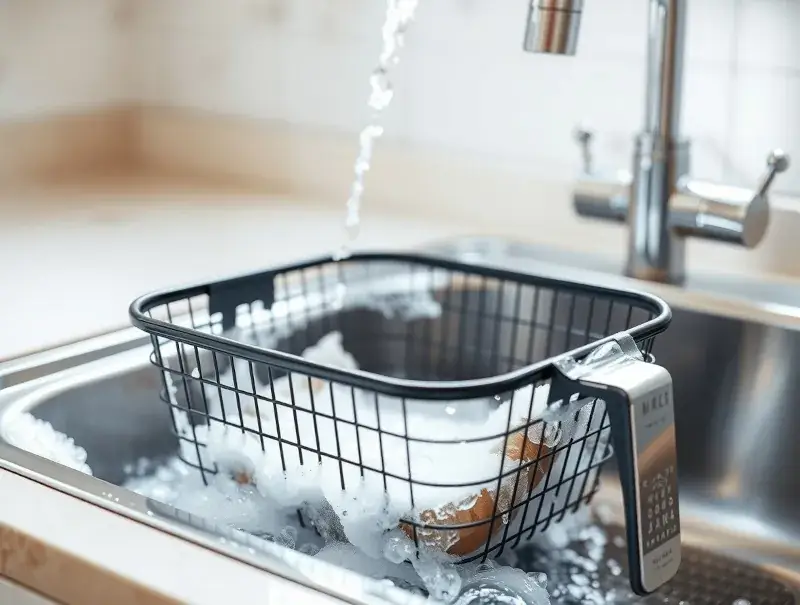
Remove basket, scrub heating coil area gently, clean exterior. Visit ➡️ How to Clean Air Fryer (Inside & Outside)
Full Countertop Deep Clean (Granite, Quartz, Marble, Wood)
Use cleaners specific to your surface:
- Granite & marble → avoid vinegar
- Quartz → gentle soap
- Wood → oil and condition
More info➡️ How to Clean Kitchen Countertops
Area-by-Area Kitchen Cleaning Guide (Complete Breakdown)
Countertops (Granite, Quartz, Marble, Wood)
Different materials need different products. Avoid acidic cleaners on stone. Use cutting boards to prevent scratches. Clean spills immediately.
Stove & Cooktop (Gas, High-Heat, Electric)
Remove grates and soak them. Scrub stubborn grease using a paste of baking soda and water. Clean knobs and panel buttons carefully.
Sink & Faucet (Mineral Buildup + Stainless Steel Polish)
Hard water stains can be removed with vinegar (except on certain stones). Polish faucets using a microfiber cloth.
Cabinets & Drawers (Grease, Smudges, Sticky Films)
Oil + cooking residue collect on upper cabinets. Use degreaser for heavy buildup. Organize drawers while you’re at it.
Fridge & Freezer (Shelves, Drawers, Gaskets)
Remove shelves and drawers to wash them. Clean rubber gaskets with mild soap. Add a box of baking soda to absorb odors.
Microwave (Steam Clean, Deodorize)
Lemon steam helps loosen residue. Wipe the ceiling and walls of the microwave area thoroughly.
Oven (Racks, Door, Hidden Spots)
Use baking soda paste for the interior. Soak oven racks in hot soapy water. Clean door glass with a scraper if needed.
Air Fryer (Basket, Heating Coil, Exterior)
Don’t use abrasive tools on nonstick coatings. Remove burnt residue with baking soda soaks.
Dishwasher (Filter, Spray Arms, Odor Fixes)
Clean filter monthly. Run a cleaning cycle with vinegar or dishwasher cleaner tablets.
Degreasing 101 — How to Remove Grease, Oil & Sticky Film
Why Kitchen Grease Is Hard to Remove
Grease oxidizes when heated, making it harder to clean over time. Dust in the air sticks to oily surfaces, creating a sticky film.
Best Degreasers (Natural & Heavy-Duty)
Natural: vinegar, lemon, baking soda, Castile soap.
Heavy-duty: enzyme-based degreasers, commercial multipurpose sprays.
Techniques for Cabinets, Walls & Backsplash
Warm water breaks down grease faster. Use a microfiber cloth instead of sponges to prevent streaks. For heavy buildup, soak the area first.
Cleaning Tools & Supplies Every Kitchen Needs
Essential Tools (Microfiber Cloth, Scrub Brush, Razor Scraper)
Microfiber cloths remove grease effectively. Scrub brushes lift stubborn debris. Razor scrapers help remove burned food from glass cooktops.
Eco-Friendly Cleaners & Natural Solutions
Vinegar, baking soda, and lemon are great natural options. They clean effectively without toxic fumes.
When to Use Heavy-Duty Products (and When Not To)
Use commercial cleaners for ovens, burnt residue, and heavy grease buildup. Avoid harsh chemicals on natural stone or wood.
How to Keep the Kitchen Smelling Fresh
Garbage Can Cleaning Routine
Wash the bin weekly. Add baking soda at the bottom to prevent odors.
Sink & Drain Freshening Methods
Use lemon slices and hot water. Baking soda helps neutralize smell.
Natural Deodorizers (Lemon, Baking Soda, Coffee Grounds)
Place coffee grounds in the fridge or near trash to absorb odors.
Preventing Kitchen Messes Before They Happen
Clean as You Cook (Chef Technique)
Wipe spills immediately. Soak utensils while food simmers. This reduces end-of-day cleanup.
Use Splatter Guards & Pan Lids
Prevent oil splatters on walls and counters. These tools save time and reduce grease buildup.
Organize Food Storage to Reduce Spills
Store liquids in leak-proof containers. Use trays to catch spills in the fridge. More organizing help here➡️ Kitchen Organization Essentials
Small Kitchen Cleaning Tips
Use Vertical Surfaces & Wall Storage
Hooks, pegboards, and rails free up counter space and make cleaning easier.
Keep Counters Minimal to Reduce Cleaning Time
Store appliances inside cabinets if possible. A cleaner counter equals faster cleaning.
Micro Tasks Throughout the Day
Quick tasks like wiping spills or rinsing tools prevent kitchen chaos. For small-space strategy, see ➡️ Storage Solutions for Small Spaces
Common Kitchen Cleaning Mistakes
Using Wrong Cleaner on Stone Countertops
Avoid vinegar, lemon, and acidic cleaners on granite and marble.
Not Cleaning Filters (Range Hood, Dishwasher)
Dirty filters reduce performance and cause odors.
Using Too Much Water on Wood Surfaces
This causes swelling or warping. Use lightly damp cloth only.
Letting Spills Sit for Too Long
Hardened food and grease require more scrubbing effort. Clean spills immediately.
Kitchen Cleaning Checklist (Printable)
Daily
- Wipe counters
- Rinse sink
- Load dishes
- Sweep floors
- Evening reset
Weekly
- Wipe cabinets
- Clean stove surface
- Clean sink drain
- Quick fridge wipe
Monthly
- Deep clean oven
- Microwave steam
- Degrease cabinets
- Deep clean sink
- Deep clean air fryer
- Deep clean fridge shelves
Frequently Asked Questions
How often should you deep clean the kitchen?
Most households benefit from monthly deep cleaning. High-use kitchens may need biweekly deep cleaning.
What’s the easiest way to degrease kitchen cabinets?
Warm water + dish soap removes light grease. Use natural degreasers or commercial products for heavy buildup.
How do I remove stubborn stove stains?
Use baking soda paste or a razor scraper (on glass surfaces only). Let degreaser sit before wiping.
How can I keep granite countertops streak-free?
Use pH-neutral stone cleaner and microfiber cloth. Dry thoroughly to avoid streaks.
What natural cleaners are safe for food prep areas?
Vinegar, baking soda, gentle dish soap, and lemon. Avoid harsh chemicals around cutting boards.
How often should I clean my air fryer?
Clean the basket after every use. Deep clean monthly.
Final Thoughts — A Clean Kitchen Makes Life Easier
A consistently clean kitchen isn’t about spending hours scrubbing; it’s about using simple routines and smart systems. When you stay on top of small daily habits and commit to regular deep cleaning, your kitchen becomes a healthier, fresher, and more enjoyable place for everyone.
For more helpful guides, explore:
➡️ Oven Cleaning Hacks
➡️ How to Clean Microwave with Lemon
➡️ How to Clean Air Fryer
➡️ Kitchen Organization Essentials
➡️ Ultimate Guide to Home Organization