
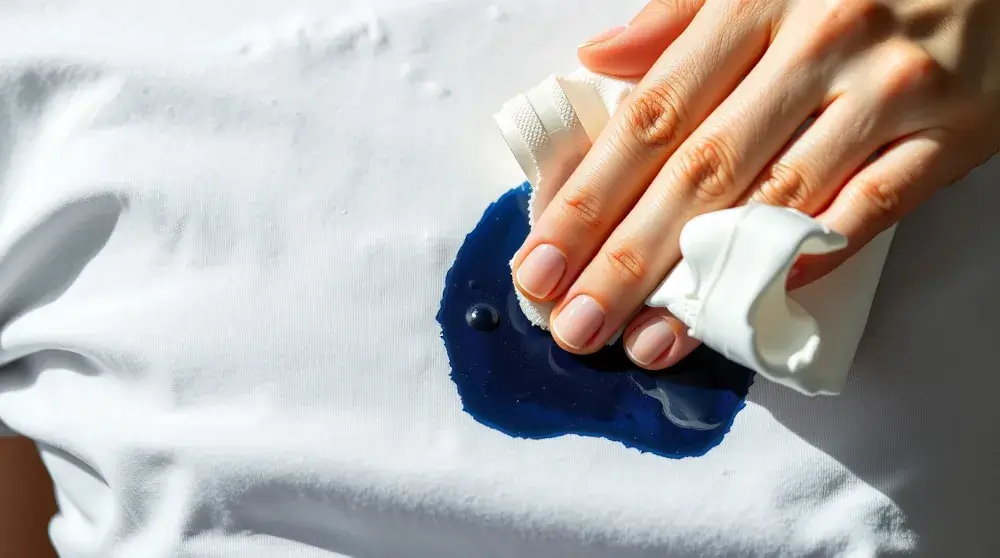
There’s something uniquely stressful about ink stains — probably because they happen in the most inconvenient moments. Maybe your pen leaked inside your shirt pocket right before a meeting. Maybe your child decided the sofa was a “canvas.” Or maybe a permanent marker rolled off the table and left a bold streak across your favorite jeans.
Unlike many stains, ink stains look dramatic, spread fast, and can feel impossible to remove. But the truth is: with the right cleaner for the right type of ink, most stains can be lifted safely — even those scary permanent marker ones.
This guide walks you through exactly what to do, step-by-step, with gentle explanations, practical tips, and real-life scenarios. If you’d like to explore more stain types afterward, check out➡️ Stain Removal Encyclopedia
Let’s begin by understanding the enemy.
Understanding Different Types of Ink Stains
Not all ink is created equal — and this is the number one reason people fail when trying to clean ink stains. Every ink type uses a different chemical base, meaning it dissolves in different solutions.
Water-Based Ink (Washable Pens, School Markers, Highlighters)
Water-based inks are the friendliest stains you can get. They dissolve quickly with dish soap, mild detergent, and warm water. Highlighters are slightly more stubborn because of bright pigments but still easy compared to gel or permanent ink.
Oil-Based Ink (Ballpoint Pens)
Ballpoint pens use a thick, oily ink made of pigment + resin + oil. This is why ballpoint stains look “greasy” and resist water. They require alcohol or detergent to break down the oily carrier.
Alcohol-Based Ink (Permanent Markers)
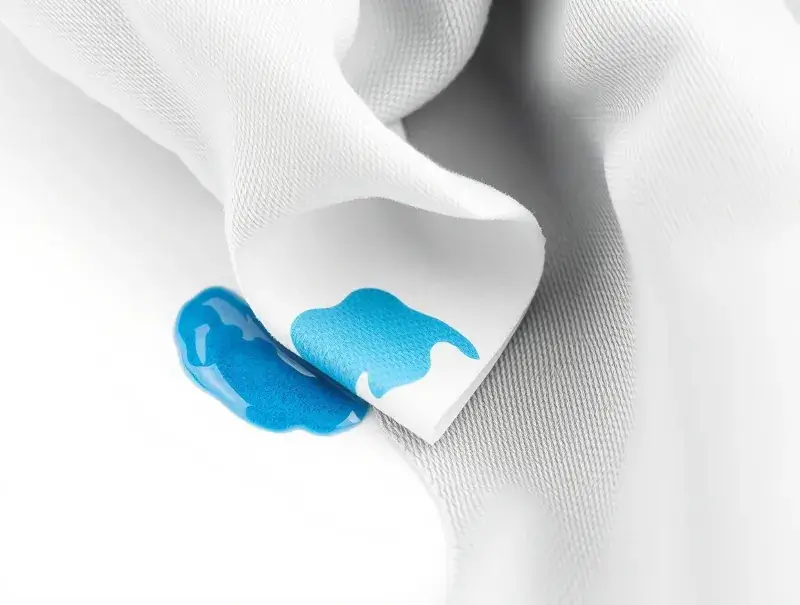
Permanent markers bond strongly to fibers — fast. They typically require alcohol, acetone, or other solvents. However, the right technique can lift even Sharpie marks from many surfaces.
Gel Ink
Gel pens use water-based pigments suspended in thick gel. Gel ink spreads easily and stains intensely, especially on light fabrics. Alcohol works best on them.
Understanding the ink type helps you pick the right method from the start — saving time and preventing damage.
First Aid for Fresh Ink Stains
The first few seconds matter more than you think.
Step 1 — Place a Paper Towel Under the Fabric
Ink spreads downward and outward. Placing a paper towel or cloth underneath the affected area stops the stain from soaking into other layers and gives you a clean surface for lifting ink.
Step 2 — Blot, Don’t Rub
Rubbing ink pushes it deeper into fibers, creating a larger cloud-like stain. Blotting lifts pigment upward. Press gently with a clean dry cloth, lifting each time instead of dragging.
This one small difference can dramatically impact the final result.
Step 3 — Test Cleaner Before Use
Solvents can discolor delicate fabrics. Always test alcohol, acetone, or hairspray on a hidden area first to avoid surprises.
Best Methods to Remove Ink & Marker Stains
Here are the most effective, proven stain-removal techniques.
Method 1 — Rubbing Alcohol (Most Effective for Ballpoint & Gel Ink)
Rubbing alcohol dissolves oil-based pigments and evaporates quickly, making it perfect for ballpoint, gel ink, and many permanent markers.
How to use:
- Place paper towels under the stained area.
- Dip a cotton pad in rubbing alcohol.
- Blot (don’t rub!).
- Ink will begin transferring to the cotton.
- Repeat with clean pads until the stain lightens.
- Rinse with cold water and wash normally.
Alcohol works incredibly fast — often within seconds — which makes it a favorite in laundry emergencies.
Method 2 — Hand Sanitizer Gel (Convenient & Available)
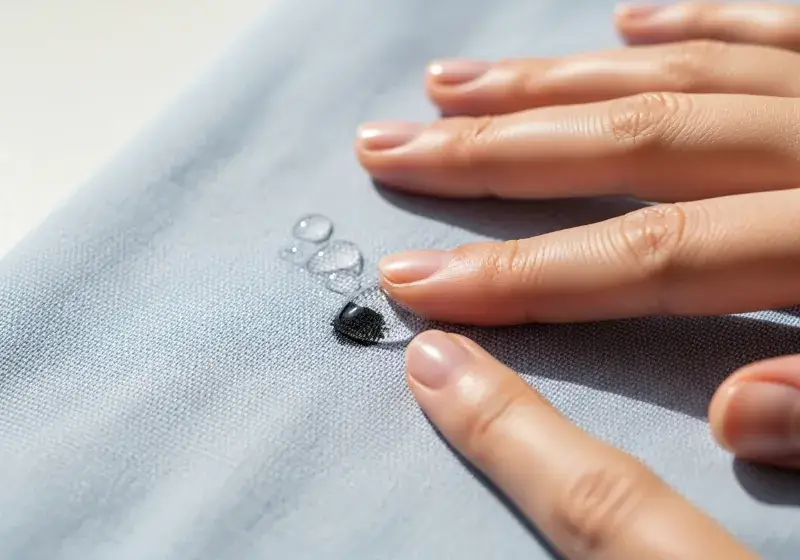
Hand sanitizer works because it contains alcohol, but in gel form, it sits longer on the stain without evaporating.
Perfect for:
- Ballpoint pen in clothing
- Gel ink smudges
- Accidental marker on cotton
How to use:
- Apply a generous dot over the stain.
- Let sit for 5–10 minutes.
- Dab with a clean cloth.
- Rinse and wash.
Because everyone carries sanitizer, this is one of the easiest “on-the-go” solutions.
Method 3 — Dish Soap + Vinegar Solution (For Water-Based Ink)
For washable ink from school markers, doodles, or highlighter accidents, a gentle method is all you need.
Mix:
- 1 tablespoon dish soap
- 1 tablespoon vinegar
- 1 cup warm water
Apply with a cloth, blot repeatedly, then rinse. The acidity helps break pigments, while dish soap lifts residue.
Method 4 — Hairspray (Alcohol-Based)
A classic solution — but only if the hairspray contains alcohol. Many modern sprays don’t.
How to use:
- Spray directly onto stain.
- Let sit for 1 minute.
- Blot with a cloth.
- Rinse and wash.
Hairspray can remove light permanent marker marks from fabric, but avoid using too much, as residue may cause stiffness.
Method 5 — Acetone / Nail Polish Remover (Hard Surfaces Only)
Acetone melts ink pigments fast — making it perfect for:
- Tiles
- Glass
- Stainless steel
- Stone (sealed only)
- Plastic
Not for fabrics! It will damage most textiles.
Method 6 — Milk Soak (For Old Ink Stains)
This gentle, old-school hack works surprisingly well on cotton and linen.
How to use:
- Warm milk slightly.
- Soak stained section for 1–2 hours.
- Blot and wash with detergent.
Milk proteins help lift pigment from fibers without harsh chemicals.
Removing Ink Stains by Material
Different surfaces require specific care. Here’s how to treat them safely.
Cotton & Polyester Clothing
Most everyday fabric stains respond well to:
- Rubbing alcohol
- Blotting
- Detergent pre-treatment
- Machine wash
Polyester may need a longer alcohol soak since it binds pigment more strongly.
Silk, Wool & Delicate Fabrics
Delicate fibers absorb ink quickly and may water-mark easily.
Best approach:
- Use mild hand soap or diluted alcohol (very small amount).
- Blot gently.
- Avoid scrubbing.
- Take to a dry cleaner if the garment is valuable.
If the fabric is expensive (e.g., silk tie), professional cleaning is often the safest route.
Upholstery & Sofas
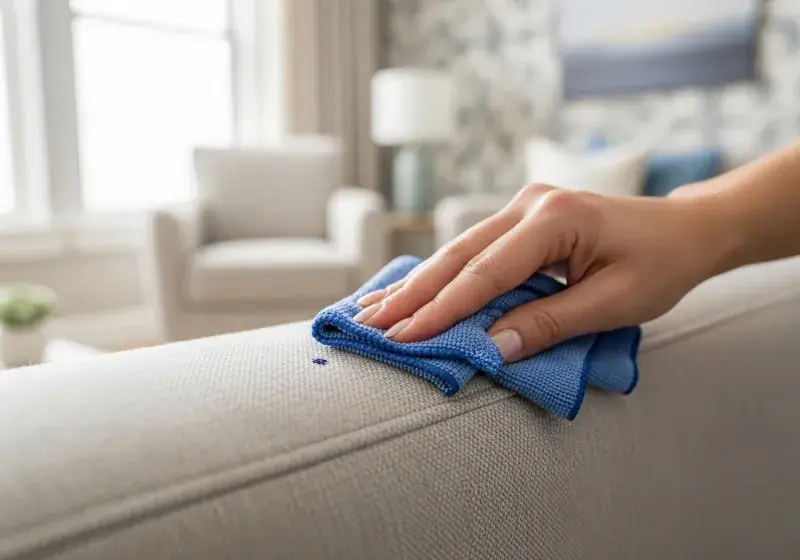
Upholstery stains require patience because excess liquid can push ink deeper into the cushion.
Steps:
- Blot immediately.
- Apply a small amount of rubbing alcohol on a cloth (never pour directly).
- Dab lightly, lifting pigment.
- Alternate between alcohol and clean towel.
- Use minimal liquid to avoid spreading.
Always test alcohol on an inconspicuous area first.
Leather & Faux Leather
Leather responds well to alcohol, but it must be followed by conditioning.
How to use:
- Dab with alcohol.
- Lift ink gradually.
- Apply leather conditioner to prevent drying or cracking.
Permanent marker on leather often requires multiple rounds.
Carpets & Rugs
Ink seeps downward into carpet fibers quickly, so immediate action helps.
Steps:
- Blot, don’t rub.
- Use alcohol or dish soap solution.
- Blot with dry towels to lift pigment.
- Repeat, working from outside inward.
Carpets may require more patience because you’re dealing with multiple layers of fibers.
Hard Surfaces (Tables, Cabinets, Appliances)
These are the easiest to clean.
Best cleaners:
- Acetone
- Alcohol
- Magic eraser
Avoid abrasive scrubbing that might damage glossy surfaces.
Special Scenarios
Pen Burst in Shirt Pocket
A pen explosion looks disastrous, but it’s manageable.
Steps:
- Soak the area in rubbing alcohol for 10–15 minutes.
- Blot repeatedly.
- Apply detergent.
- Wash warm (if fabric-safe).
Repeat as needed — this kind of stain layers ink deep into the fibers.
Kids’ Marker Drawings on Walls
Happens more often than parents admit.
For washable marker:
- Dish soap + warm water
For permanent marker:
- Magic eraser
- Alcohol wipe
- Lemon essential oil (surprisingly effective)
Always test before using strong solvents on painted walls.
Permanent Marker on Plastic & Metal
Permanent ink sits on the surface instead of absorbing, so it’s easier to remove than people think.
Effective options:
- Acetone
- Alcohol
- Dry-erase marker trick (draw over, then wipe)
The dry-erase trick works because solvents in the marker dissolve the permanent ink beneath.
Ink Stains on Bedsheets & Pillows
Ink on bedding can bleed during washing.
Steps:
- Treat with alcohol first.
- Rinse thoroughly.
- Wash separately in cold water.
- Air dry to check progress.
Heat will permanently set any remaining ink.
Removing Highlighter Stains
Though bright, highlighters are water-based and relatively easy to lift.
Dish soap + warm water works for most cases.
Common Mistakes
Rubbing Ink Instead of Blotting
Rubbing causes feathering — a halo effect that makes the stain spread dramatically.
Using Heat Before Stain Is Removed
Heat (dryer, hot water, ironing) sets pigments permanently.
Only use warm water after solvents have broken down the stain.
Mixing Solvents
Combining cleaners can discolor fabric or cause unpredictable reactions.
Stick to one method at a time.
Using Too Much Liquid on Upholstery
Oversaturation pushes ink deeper into cushions and padding. Use minimal amounts of solvent.
When to Call a Professional
Expensive Silk or Wool Items
These fabrics react unpredictably to DIY stain removers. A professional dry cleaner is safer.
Large Permanent Marker Damage
A big Sharpie drawing on a sofa or wall may require industrial-level solvent application.
Ink Pen Explosion on Suit or Blazer
Structured garments require a specialist to avoid distortion.
Frequently Asked Questions
Can ink stains really be removed?
Yes — most ink stains can be removed with the right solvent. Alcohol-based inks are harder, but even permanent marker can often be lifted from many surfaces.
Why does ink spread so quickly?
Ink contains liquid carriers designed to flow smoothly from pens. When it hits fabric, it wicks outward rapidly, especially with added pressure or water.
Which inks are hardest to remove?
Alcohol-based inks (Sharpie-style permanent markers) are the toughest. Gel ink is second hardest due to its heavy pigmentation.
Does hairspray still work?
Yes — only if it contains alcohol. Many modern hairsprays are alcohol-free, making them ineffective for ink removal.
Can magic eraser damage paint?
Yes. It is mildly abrasive and can remove paint sheen. Always test on a small spot first.
Is acetone safe for fabrics?
No. Acetone can dissolve or discolor textiles. Use it only on hard surfaces.
Final Thoughts
Ink stains may look intimidating, but they’re far from hopeless. Whether it’s pen marks on your shirt, highlighter on your bedding, marker on the wall, or even a permanent marker accident, the right approach — and a bit of patience — can make almost any stain disappear.
If you’re dealing with multiple stain categories, explore these guides next:
➡️ How to Remove Grease & Oil Stains
➡️ How to Remove Beverage Stains
➡️ Stain Removal Encyclopedia
With the right knowledge, even the boldest ink stain can be undone.