
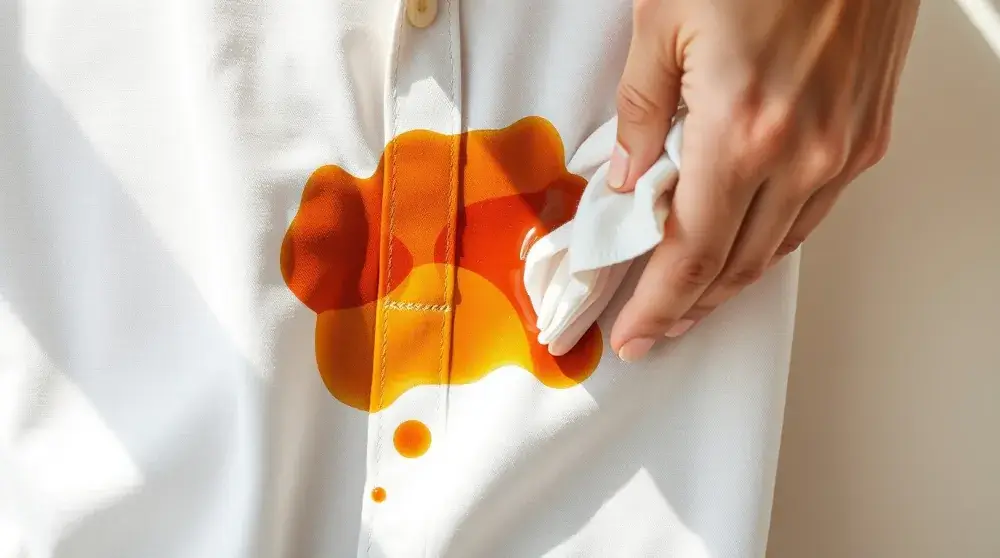
Beverage stains are some of the most common and frustrating stains we deal with at home. Morning coffee spills, kids dropping juice boxes, a splash of tea on your favorite blouse, or a glass of red wine tipping over during dinner — these moments happen to everyone. And while beverage stains often look harmless at first, they can become very stubborn if handled the wrong way.
The good news? With the right steps, almost all beverage stains are removable, even older ones. Because these stains involve tannins, dyes, sugars, and sometimes oils, understanding how they behave helps you clean them safely and effectively. This guide gives you everything you need — the science behind beverage stains, step-by-step cleaning methods, what not to do, and how to treat each type of drink stain differently.
For a deeper understanding of stain behavior in general, check out➡️ Stain Removal Encyclopedia
Let’s begin with why these stains can be tricky.
Why Beverage Stains Are Difficult to Remove
Understanding Tannins in Coffee, Tea & Wine
Tannins are natural plant-based compounds found in tea leaves, coffee beans, and grapes. They behave like dyes, binding tightly to fabric fibers and becoming darker as they oxidize. This is why tea and wine stains often look worse after drying. Tannins respond best to acidic cleaners and gentle methods, not strong alkaline detergents.
Sugar & Acidity Make Stains Stickier
Many beverages — especially soda, fruit juice, and sweetened coffee — contain sugar that becomes sticky as it dries. This sugary layer traps pigments and makes the stain harder to lift. Acidity can also slightly etch into fabric fibers, increasing stain penetration over time.
Why Hot Water Can Make Beverage Stains Worse
Hot water can “set” tannin-based stains by causing dye molecules to bind more strongly to the fabric. This is especially risky with tea and red wine. Unless you’re working with white cotton and peroxide, always begin with cold water.
What You Should Do Immediately (The First Aid Method)
Step 1 — Blot, Don’t Rub
Rubbing pushes dye deeper into the fibers and spreads the stain outward. Instead, blot gently using a clean cloth or paper towel. Press lightly to lift the liquid without enlarging the stained area.
Step 2 — Rinse From the Back of the Fabric
Place the fabric under cold running water, allowing the water to push the stain out from behind. This technique flushes dye particles in the direction they entered, dramatically increasing your success rate.
Step 3 — Keep It Wet (Never Let It Dry)
Stains that dry become harder to remove because the molecules bond with the fibers. Keeping the area damp until you apply a cleaning method prevents long-term set-in stains.
Step-by-Step Guide to Removing Beverage Stains
Below are the safest and most effective methods. Choose based on fabric type and stain color.
Method 1 — Dish Soap + Vinegar Solution (Works for Most Fabrics)
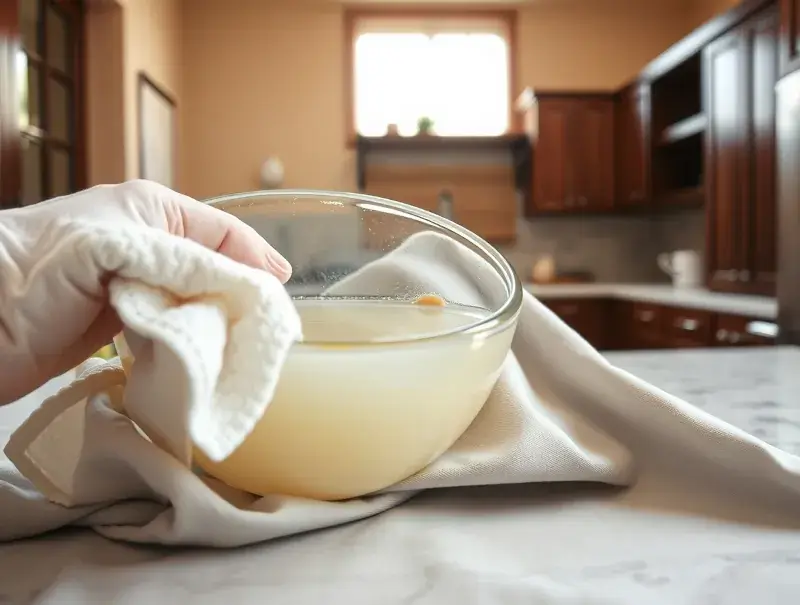
This is the most universal and effective method for fresh beverage stains.
You’ll need:
- 1 tablespoon dish soap
- 1 tablespoon white vinegar
- 2 cups cold water
How to use:
- Mix the solution.
- Dip a cloth into the mixture and dab onto the stain.
- Blot repeatedly until the stain lifts.
- Rinse from the back with cold water.
- Repeat for darker stains like tea or wine.
This method breaks down both tannins and sugars.
Method 2 — Baking Soda Paste (For Light-Colored Fabrics)
Baking soda gently lifts discoloration and works particularly well on coffee and juice stains.
How to use:
- Mix baking soda with a little water until it forms a paste.
- Spread over the stain and let it sit for 15–20 minutes.
- Scrape off gently and rinse.
- Follow with dish soap treatment if needed.
Avoid this on dark-colored fabrics where powder residue may cling.
Method 3 — Salt Absorption Method (Best for Fresh Red Wine)
Salt works by absorbing liquid dyes before they settle.
How to use:
- Blot excess wine.
- Cover the stain with a thick layer of salt.
- Let it sit until it turns pink.
- Brush off the salt and rinse.
- Follow with vinegar + dish soap method.
Avoid salt on delicate fabrics like silk, as the granules may scratch.
Method 4 — Hydrogen Peroxide Method (For Whites Only)
Hydrogen peroxide is a mild bleach and excellent for tough coffee and wine stains on white fabrics.
How to use:
- Mix equal parts hydrogen peroxide and dish soap.
- Apply to the stain and let it sit for 10 minutes.
- Rinse well and wash normally.
Never use peroxide on colored fabrics unless you’ve tested it.
Method 5 — Enzyme Cleaners (If Stain Contains Milk or Cream)
Creamy coffee drinks include proteins that respond best to enzymes.
How to use:
- Blot stain.
- Apply enzyme cleaner and let sit for 10 minutes.
- Rinse with cold water.
- Wash as usual.
Enzymes break down milk proteins without damaging fabric.
Removing Beverage Stains by Type
Coffee Stains
Coffee stains contain both dye and oils.
Best method: vinegar + dish soap + cold rinse.
If stain is older, pre-soak for 15 minutes.
Tea Stains
Tea contains higher tannin levels than coffee, making stains more stubborn.
Best method: vinegar treatment followed by baking soda paste for whites.
Red Wine Stains
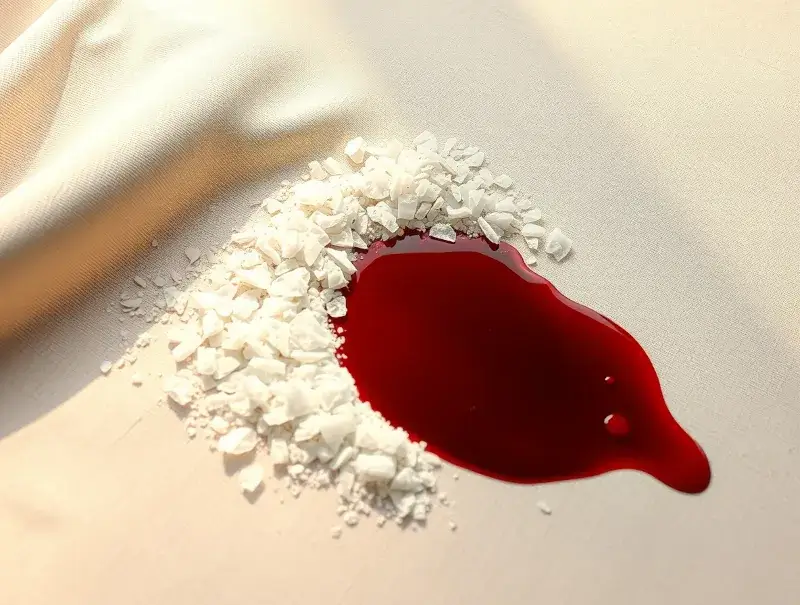
Red wine pigments penetrate quickly and require multi-step treatment.
Best method:
- Salt absorption
- Vinegar + dish soap
- Hydrogen peroxide for whites
Avoid heat until fully cleaned.
Juice Stains (Orange, Grape, Berries)
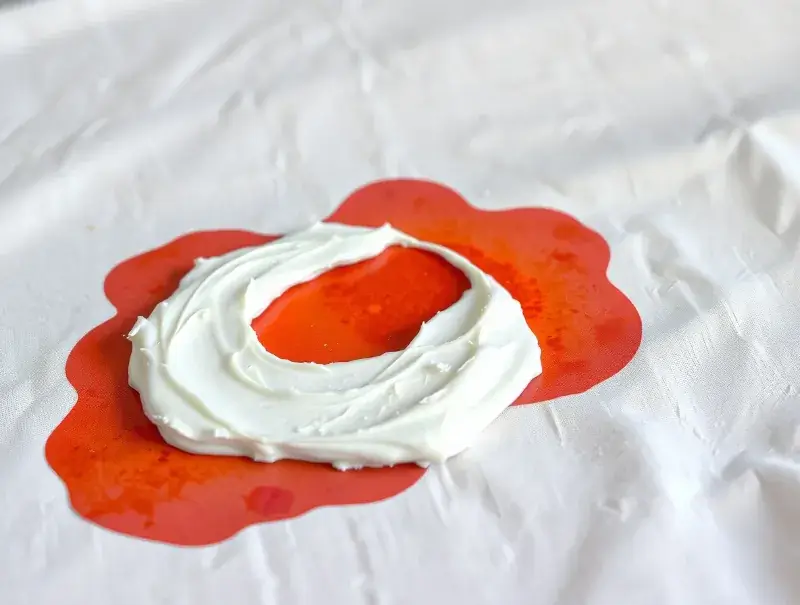
Juice stains contain sugar + dye pigments.
Best method:
- Rinse with cold water
- Dish soap solution
- Baking soda or peroxide (whites)
Berry juices may need repeated applications.
Soda Stains (Cola, Soft Drink)
Soda stains contain caramel coloring.
Best method:
- Cold rinse
- Dish soap treatment
- Oxygen bleach if needed
Sugary soda dries sticky, so keep stain damp until treatment.
Special Surfaces (Beyond Clothing)
Upholstery & Couch Fabric
Upholstery cannot be soaked, so treat gently.
Steps:
- Blot liquid with a white cloth.
- Apply dish-soap solution in small amounts.
- Blot again with water to rinse.
- Avoid over-wetting to prevent water rings.
If stain persists, consider an upholstery-specific cleaner.
Carpet Stains
Carpet fibers trap beverages quickly.
Steps:
- Blot deeply using clean towels.
- Apply vinegar + dish soap solution.
- Press with a dry towel to lift dye.
- Repeat until color fades.
Use only white towels to avoid dye transfer.
Mattress & Bedding
Mattresses require surface-only cleaning.
Steps:
- Blot as much as possible.
- Use peroxide-based cleaner for whites.
- Dry with a fan to prevent mildew.
Avoid saturating the mattress interior.
Removing Beverage Stains from White Shoes
White canvas shoes often absorb drink stains.
Steps:
- Use peroxide + dish soap mixture.
- Scrub gently with soft brush.
- Rinse lightly and air dry in sunlight.
Avoid toothpaste — it often causes uneven discoloration.
Common Mistakes to Avoid
Using Hot Water Too Early
Hot water sets tannins and dyes permanently, especially in tea and wine stains. Always start cold.
Scrubbing Aggressively
Scrubbing pushes pigment deeper and damages fibers. Blot instead.
Applying Bleach on Tannin Stains
Chlorine bleach can turn beverage stains darker or yellow. Only use oxygen bleach on colored fabrics.
Letting the Stain Dry Fully
A dried stain is harder to remove because the dye oxidizes and binds with fibers. Keep it damp if you can’t treat it immediately.
When to Call a Professional Cleaner
Expensive Fabrics (Silk, Wool, High-End Upholstery)
These materials react unpredictably to DIY cleaners. Always consult a professional if the item is valuable.
Deep-Set Wine Stains in Carpet
Once wine seeps into carpet padding, removing odor and color requires pro-level extraction.
Large Upholstery Spills
Professional steam extraction prevents water damage and ring formation.
Frequently Asked Questions
Why are tea stains harder to remove than coffee stains?
Tea contains higher tannin levels, which bind more strongly to fabric fibers and oxidize into darker pigments. That’s why tea stains often need repeated treatment. Acid-based solutions like vinegar work best for breaking down these compounds.
Can beverage stains come back after washing?
Yes — especially red wine and tea. Some pigments become invisible when wet but reappear after drying. If you suspect a stain remains, air dry only and repeat treatment.
Is vinegar safe for all fabrics?
Vinegar is generally safe but may weaken delicate fabrics like silk or rayon. Always patch-test first. For upholstery, dilute vinegar heavily to avoid leaving water marks.
Should I use club soda for wine stains?
Club soda helps lift fresh wine stains due to its carbonation, but it is not a miracle fix. It works best when paired with salt or detergent-based treatments.
Can I remove beverage stains from colored fabrics without fading them?
Yes — use mild solutions like dish soap, vinegar, or enzyme cleaners. Avoid peroxide unless you’ve tested it first.
Final Thoughts
Beverage stains may be common, but they don’t have to be permanent. With the right first aid steps — blotting, cold rinsing, and using gentle cleaners — you can lift even the toughest coffee, tea, juice, or wine stains. Consistency is key: repeat treatments until the fabric is fully clear, and avoid heat until the stain is completely gone.
For more stain removal help, explore these guides:
➡️ How to Remove Grease & Oil Stains
➡️ How to Remove Ink & Marker Stains
➡️ How to Remove Blood Stains
➡️ Stain Removal Encyclopedia
With the right approach, no stain has to ruin your favorite clothes or fabrics again.