

Stainless steel sinks and appliances are the highlight of a modern kitchen — sleek, bright, and timeless. But even the most beautiful stainless surfaces can become dull, streaky, spotted, or greasy after daily use. Fingerprints on the fridge, water spots in the sink, cloudy streaks on the dishwasher, and food residue around the drain can make everything lose its shine quickly.
The good news is that stainless steel is incredibly resilient and easy to restore when cleaned correctly. With the right methods — and the right direction of scrubbing — your sink, fridge, oven, and dishwasher can look brand new again without expensive products or harsh chemicals. This guide walks you through daily maintenance, deep cleaning, hard water stain removal, deodorizing techniques, and shine-boosting tricks used in professional home care.
For a full kitchen cleaning system, you can explore ➡️ Kitchen Cleaning Master Guide which includes microwave cleaning, cabinet degreasing, countertop care, and more. Let’s bring your stainless steel back to its best.
Why Stainless Steel Gets Dirty (and Loses Shine)
Water Spots & Hard Water Mineral Residue
Hard water leaves behind minerals such as calcium and magnesium. These minerals dry into white or chalky spots on the sink or appliance surfaces. Over time, they create a cloudy layer that dulls the shine.
Grease & Fingerprints on Appliances
Stainless steel surfaces, especially refrigerators and ovens, attract fingerprints and smudges easily. Natural oils from your hands cling to the metal surface, creating a greasy look that’s most visible under strong kitchen lighting.
Soap Scum & Food Residue Inside the Sink
Daily dishwashing produces soapy buildup that sticks to the basin and drain area. Food scraps and oils can also cling to the sides of the sink, causing stains or odors if not cleaned regularly.
What You Need (Tools & Cleaners)
Mild Dish Soap & Warm Water
Dish soap is your everyday cleaner. It cuts grease without damaging the stainless steel coating. Warm water boosts its cleaning power and helps dissolve stuck-on grime.
Baking Soda (Non-Abrasive Scrub)
Baking soda acts as a gentle scrub. It removes residue and lifts stains without scratching the surface. Because stainless steel is sensitive to scratches, baking soda is one of the safest options.
Vinegar (Dissolve Minerals)
Vinegar is excellent for removing water spots and mineral deposits. It breaks down calcium buildup and restores clarity to dull stainless steel.
Microfiber Cloths (Streak-Free Finish)
Microfiber cloths trap dirt and polish surfaces without leaving lint. They provide a streak-free finish — something regular paper towels can’t guarantee.
Olive Oil / Mineral Oil (For Shine)
Oil adds a protective layer that enhances shine and prevents future fingerprints. Only a few drops are needed to make stainless steel look glossy and clean.
Daily Cleaning Routine for Stainless Steel Sink
Step 1 — Rinse to Remove Food Bits
After each use, rinse the sink thoroughly. Removing food scraps and residue immediately prevents odors and reduces buildup over time.
Step 2 — Wash With Dish Soap & Sponge
Apply a small amount of dish soap on a soft sponge and scrub the sink in circular motions. This removes grease, soap scum, and stains from everyday use.
Step 3 — Rinse & Dry Immediately
Water spots form when water droplets dry on the surface. Drying with a microfiber cloth after rinsing keeps the sink spotless and shiny.
Deep Clean: How to Clean Stainless Steel Sink
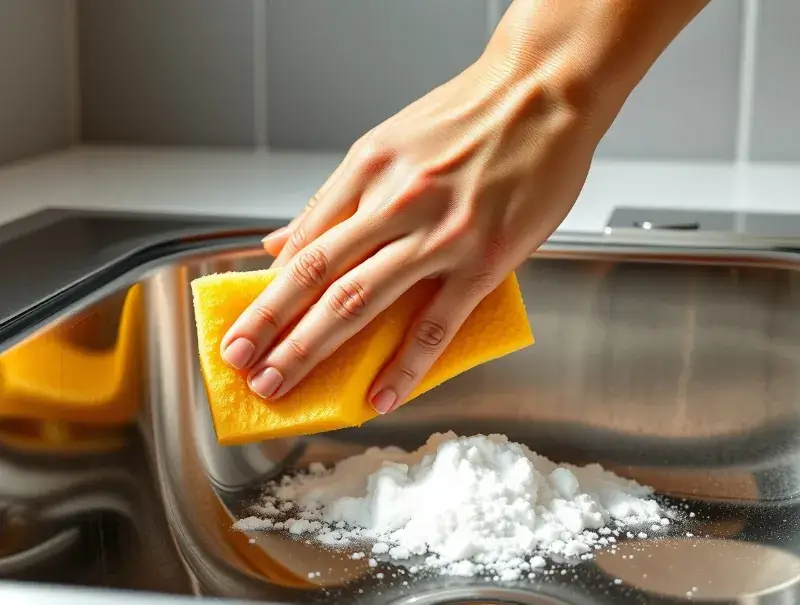
Step 1 — Sprinkle Baking Soda Everywhere
Cover the entire sink basin with an even layer of baking soda. It creates a gritty texture that helps loosen stubborn grime while being safe for the surface.
Step 2 — Add Dish Soap + Warm Water
Drizzle a little dish soap over the baking soda, then splash warm water to activate the mixture. This creates a mild scrubbing compound that works deep into stains.
Step 3 — Scrub in the Direction of the Grain
Always inspect your stainless surface and scrub along the grain. Scrubbing against the grain creates visible swirl scratches. With the grain, cleaning becomes easier and safer.
Step 4 — Rinse Thoroughly
Rinse well to remove baking soda residue. Any leftover powder can leave a haze if not washed off completely.
Step 5 — Remove Odors with Lemon or Vinegar
Rub half a lemon around the sink to neutralize odors and brighten the metal. For stubborn smells, spray vinegar around the basin and rinse after a few minutes.
This method is similar to the deodorizing technique used in ➡️ How to Clean Microwave with Lemon.
Step 6 — Dry Completely
Use a clean microfiber cloth to wipe the sink dry. This prevents water spots and prepares the surface for polishing if desired.
How to Remove Hard Water Stains & White Spots
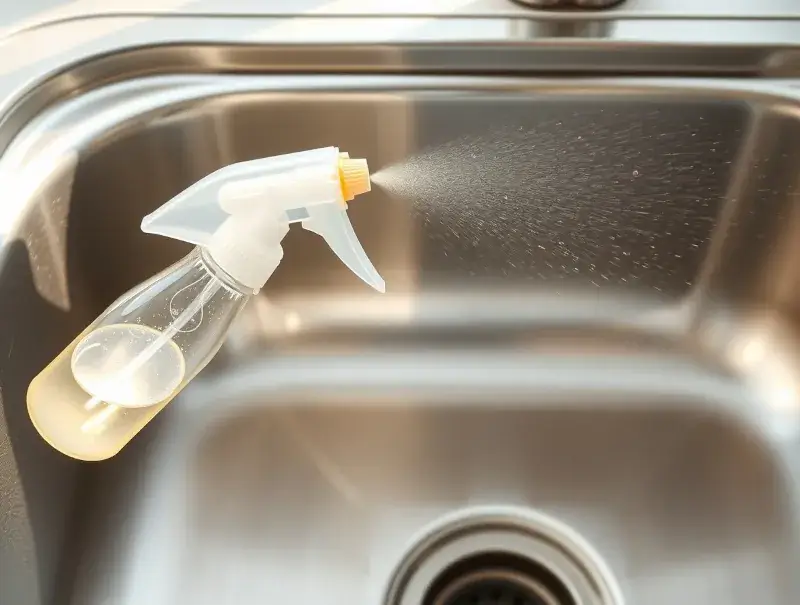
Vinegar Spray Method
Spray vinegar directly onto the stainless steel surface and let it sit for 3–5 minutes. The acidity dissolves mineral deposits, making them easier to wipe away.
Cloth-Soak Method for Heavy Stains
For stubborn hard water marks, soak a microfiber cloth in vinegar and lay it across the stained area for 10–20 minutes. This gives the vinegar time to break down thick mineral layers.
Lemon Scrub for Stubborn Spots
Cut a lemon in half and scrub the surface gently. The natural citric acid helps dissolve water spots. Plus, it leaves a fresh scent.
How to Remove Rust Marks (Yes, Stainless Can Rust)
Baking Soda Paste
Mix baking soda with water to create a paste. Apply it directly over rust spots and scrub gently along the grain. This helps lift superficial rust without damaging the stainless steel coating.
Bar Keeper’s Friend (Optional)
This commercial cleaner is designed for stainless steel and works well on rust, hard water stains, and discoloration. Use sparingly and rinse thoroughly.
Avoid Steel Wool
Steel wool scratches the stainless steel surface, making it more prone to rust and stains in the future. Avoid using abrasive metal tools at all costs.
Deodorizing Your Sink
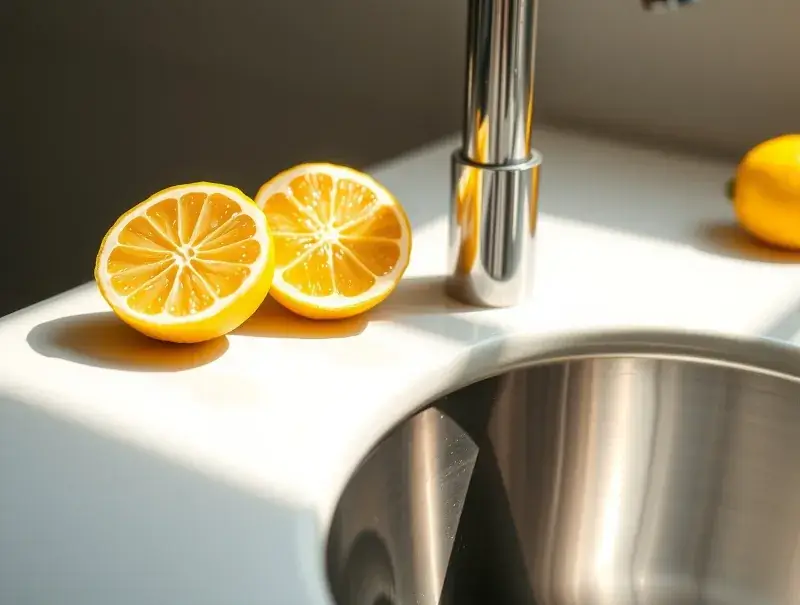
Lemon Peel + Hot Water Flush
Drop lemon peels into the drain, pour hot water, and let the citrus oils freshen the entire sink.
Baking Soda + Vinegar Bubble Reaction
Pour baking soda into the drain, followed by vinegar. The bubbling action breaks down odor-causing residue and keeps the drain clear.
Salt + Ice Cube for Garbage Disposal (If Any)
If you have a disposal system, grind ice cubes and salt to clean the blades and remove buildup. Lemon peels can be added for scent.
How to Clean Stainless Steel Appliances (Fridge, Oven, Dishwasher)

Step 1 — Remove Grease & Prints With Soap Water
Start with a damp cloth and a little dish soap. This removes oils and debris and preps the surface for polishing.
Step 2 — Use Vinegar for Streak-Free Finish
Spray vinegar lightly on the surface and wipe it down. Vinegar evaporates quickly and leaves stainless steel sparkling without streaks.
Step 3 — Wipe in the Direction of the Grain
Just like the sink, appliances have a grain pattern. Wiping along the grain creates a smoother finish and avoids visible streaking.
Step 4 — Shine With a Drop of Oil
Apply one drop of olive oil or mineral oil to a microfiber cloth and polish the appliance. A tiny amount goes a long way in restoring shine and adding a protective fingerprint-resistant layer.
Preventing Scratches & Maintaining Shine
Avoid Abrasive Tools (Steel Wool, Harsh Pads)
Scratches are permanent on stainless steel. Soft tools are key to preserving the finish.
Rinse Sink After Cooking Oily Foods
Oils from cooking can stick to stainless surfaces. A quick rinse prevents stains and odors.
Apply Oil Weekly for Protective Coating
A thin layer of oil acts like a shield against fingerprints, smudges, and water spots. Weekly polishing keeps your appliances looking consistently new.
Mistakes to Avoid
Leaving Wet Sponges Overnight in the Sink
Wet sponges hold bacteria and moisture that can cause rust spots on stainless steel. Always remove them after cleaning.
Using Bleach Directly on Stainless Steel
Bleach can damage the protective layer on stainless steel and cause pitting over time. If you must use bleach, dilute it heavily and rinse immediately.
Scrubbing Against the Grain
Scrubbing in random directions creates swirl marks that catch light and look messy. Always follow the metal’s grain lines.
Frequently Asked Questions
What is the best cleaner for stainless steel?
For daily cleaning, dish soap and warm water work best. For shine and streak-free finishing, vinegar and a microfiber cloth deliver excellent results.
How do I remove water spots?
Use vinegar spray or a cloth soaked in vinegar. Let it sit before wiping. Lemon also works well for removing mild mineral deposits.
Can stainless steel rust?
Yes, stainless steel can rust when exposed to prolonged moisture, harsh chemicals, or scratches. Fortunately, light rust is easy to remove with baking soda paste.
How often should I deep clean my sink?
A stainless steel sink should be deep cleaned weekly or bi-weekly depending on kitchen usage.
How do I make my stainless appliances shiny again?
Polish with a few drops of olive oil or mineral oil after cleaning. Always wipe with the grain for a consistent shine.
Is vinegar safe for stainless steel?
Yes, but only for cleaning — not for prolonged soaking. Wipe or rinse after use.
Final Thoughts — Your Stainless Steel, Restored to Its Best
Stainless steel is beautiful, durable, and surprisingly easy to maintain when cleaned the right way. With simple daily habits and the right deep-cleaning techniques, you can restore shine, remove stains, eliminate odors, and protect your sink and appliances for years to come. Whether it’s your fridge, oven, dishwasher, or sink, these methods will keep your kitchen looking polished and fresh.
For more kitchen cleaning guides, explore:
➡️ Kitchen Cleaning Master Guide
➡️ How to Clean Kitchen Countertops
➡️ Oven Cleaning Hacks
➡️ Fridge Deep Clean Checklist