
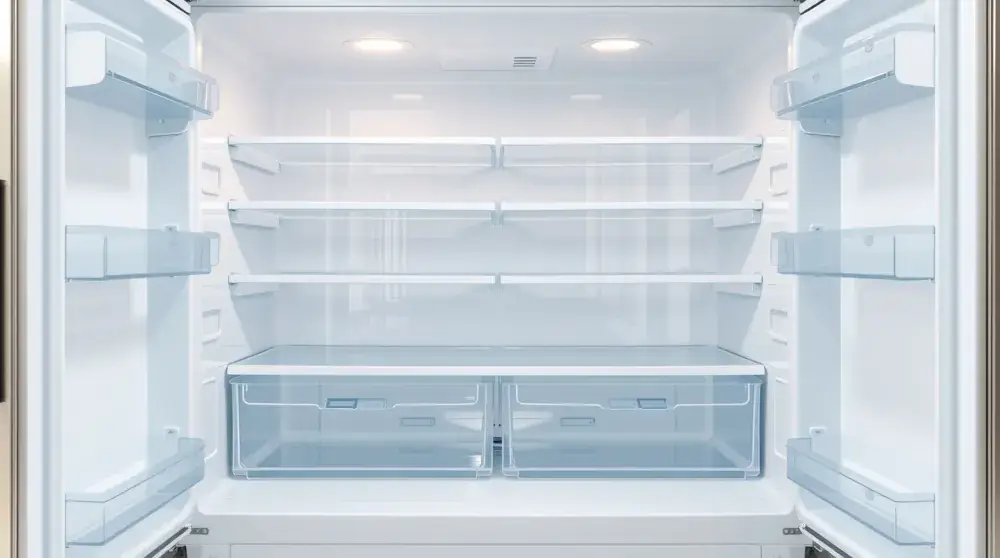
Your fridge is one of the busiest areas in your home — and also one of the easiest to neglect. With daily use, spills happen, vegetables go bad, leftovers get forgotten, and odors start to build up. Over time, your refrigerator can become a mix of sticky shelves, wilted produce, unnoticed spills, and lingering smells. A full deep clean not only makes your fridge look spotless but also keeps your food fresher, prevents odors, and maintains proper hygiene.
This guide walks you through a complete fridge deep clean: from emptying the shelves to washing drawers, deodorizing stubborn smells, organizing food properly, and maintaining long-term freshness. Whether you have a small fridge or a large family-sized model, these steps will help you restore it to a clean, efficient, and odor-free state.
For more complete kitchen maintenance, see the ➡️ Kitchen Cleaning Master Guide. Let’s get started.
Signs Your Fridge Needs a Deep Clean
Persistent Bad Odors
If your fridge smells even after removing spoiled food, it means odor-causing bacteria or spills have seeped into shelves, drawers, or seals. Strong odors also indicate hidden spills or sticky residue.
Sticky Shelves or Spills
Sauce drips, leaking containers, meat juices, and spilled milk dry into sticky layers that attract bacteria. These spills often become harder to clean the longer they sit.
Frost Build-Up in Freezer
If frost collects on the walls or around the freezer door, airflow is disrupted. This can also cause freezer burn and reduce cooling efficiency.
Wilted Produce & Moldy Veggies
The veggie drawer is one of the most common areas where mold forms due to moisture. When produce goes bad, it spreads odors and bacteria.
What You Need (Tools & Cleaners)
Mild Dish Soap + Warm Water
This is safe for almost all refrigerator surfaces. It removes grease, food residue, and protein-based spills quickly.
Baking Soda (Natural Deodorizer)
Baking soda lifts protein stains, removes odors, and cleans sticky areas without scratching.
Vinegar Spray (Safe Disinfecting)
Vinegar is a safe, natural disinfectant for fridge interiors. It helps remove bacteria and neutralizes odors without using harsh chemicals.
Microfiber Cloths
Microfiber wipes dirt effectively, dries quickly, and prevents streaks on plastic or glass surfaces.
Optional: Lemon or Vanilla Extract
These help refresh your fridge with a clean, natural scent after deep cleaning is complete.
Step 1 — Prepare Your Space
Empty Fridge Completely
Start by removing everything: drinks, condiments, jars, produce, leftovers, snacks, and freezer items. This helps you see all spills and areas that need attention.
As you remove items:
- Check expiration dates
- Throw away spoiled or questionable food
- Transfer sensitive items to a cooler if needed
Turn Temperature Control to OFF
Switch off the fridge to clean safely and save energy. For older models, simply unplug the unit. Newer fridges may have a separate “power cool” or “off” function.
Remove Shelves, Drawers, Trays
Most modern fridges allow shelves, bins, and drawers to be fully removed. This makes cleaning easier and more effective.
Step 2 — Clean Removable Parts
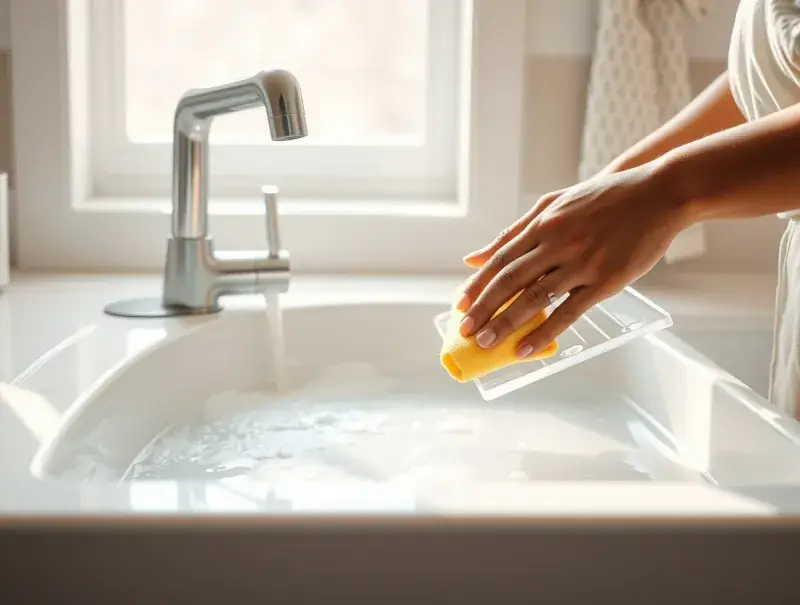
Wash Shelves With Warm Soapy Water
Place shelves in your sink and wash them using warm soapy water. Glass shelves should not be placed in hot water immediately — the sudden temperature change can cause cracks. Let them reach room temperature first.
Deep Clean Drawers (Veggies & Meats)
Veggie drawers often trap moisture and residue from vegetables that have started to spoil. Wash these thoroughly to remove stains, slime, or mold.
Let Everything Dry Completely
Before reassembling, ensure all parts are completely dry. Moisture inside the fridge encourages mold growth and unpleasant smells.
Step 3 — Deep Clean Inside of Fridge
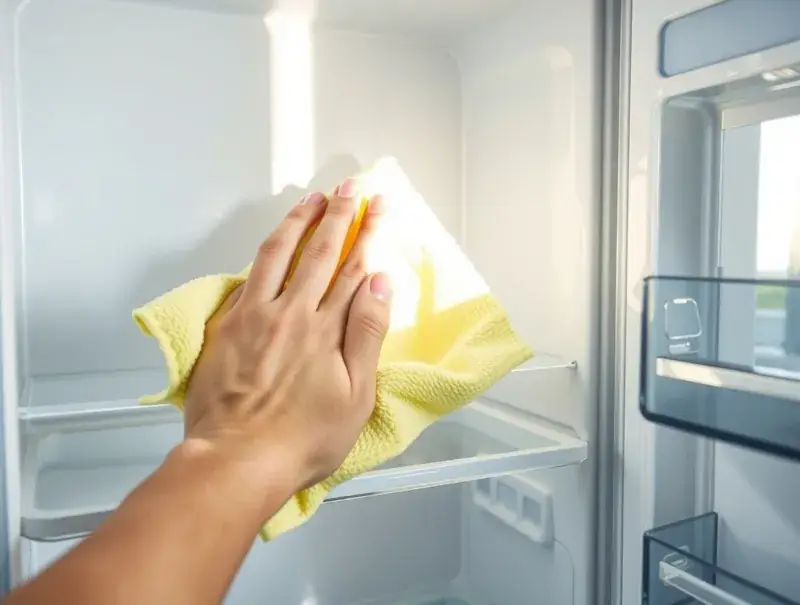
Wipe All Walls and Interior Surfaces
Use warm soapy water to wipe down the interior, including walls, top shelf, bottom pan, and corners. A damp microfiber cloth helps pick up dirt evenly.
Use Baking Soda for Sticky Spots
If there are stubborn, sticky spills — especially from sauces, juices, or dairy — sprinkle baking soda and wipe with a damp cloth. Baking soda gently lifts residue without damaging plastic surfaces.
Clean Door Seals Carefully
The rubber seals around your fridge door trap crumbs, juice, and bacteria. Use a toothbrush with mild soap to scrub between the folds gently. Clean and dry them well to prevent mold.
Step 4 — Deep Clean the Freezer
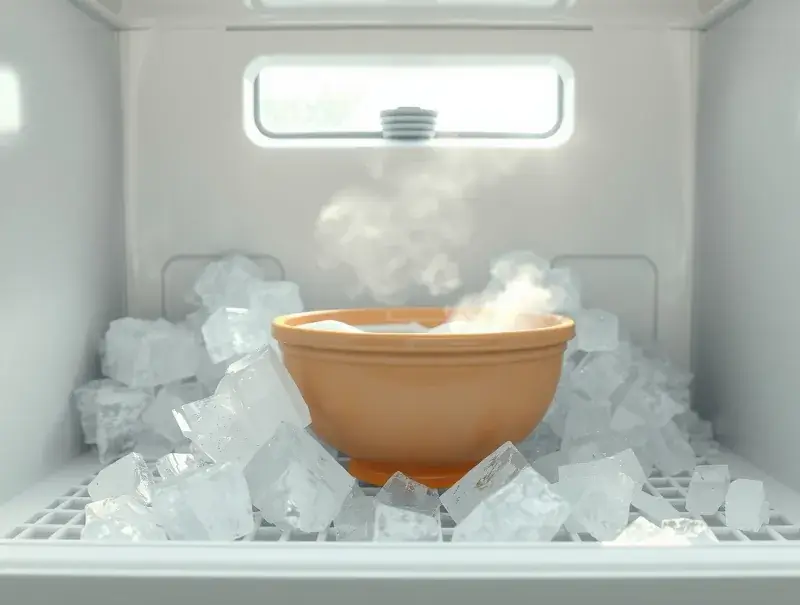
Remove Frost Build-Up (If Manual Defrost)
If your freezer needs defrosting, place a bowl of hot water inside and keep the door closed. This helps soften frost quickly. Wipe out melted frost with a towel.
Clean Shelves & Bottom Pan
Use warm soapy water to clean freezer surfaces. Remove any leftover crumbs, ice flakes, or packaging debris.
Deodorize With Baking Soda
If strong smells come from the freezer, leave a bowl of baking soda inside for several hours to absorb odors.
Step 5 — Odor Removal Techniques
Lemon + Water Wipe
A mix of lemon juice and water gives the fridge a fresh citrus scent. Use this to wipe down shelves, drawers, and interior walls.
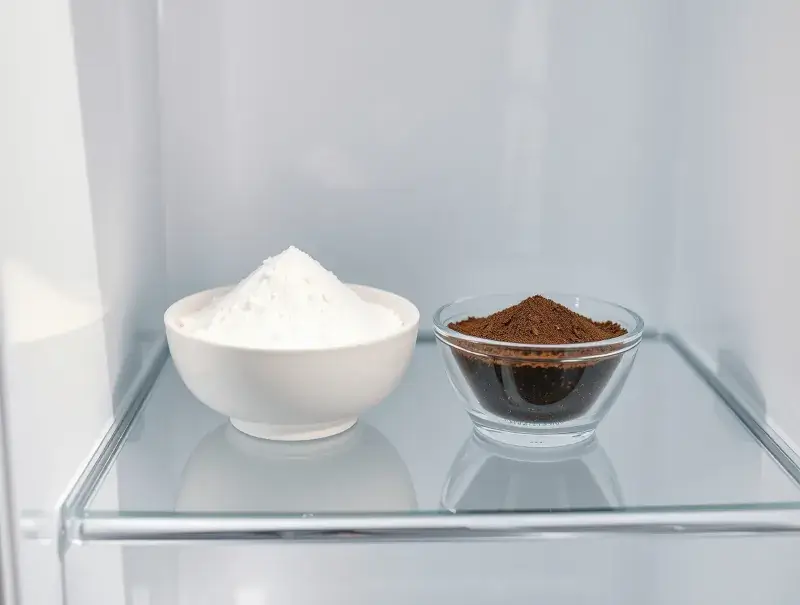
Baking Soda Bowl (Overnight)
For stronger odors, place an open bowl of baking soda in the fridge overnight. Baking soda absorbs odor molecules naturally and safely.
Coffee Grounds Method
If your fridge smells strongly of fish, meat, or garlic, place a bowl of dry coffee grounds inside. Coffee neutralizes deep odors effectively.
Step 6 — Organizing Your Fridge Properly
Assign Each Shelf a Purpose
A well-organized fridge is easier to maintain. Assign zones for:
- Dairy
- Drinks
- Sauces & condiments
- Leftovers
- Meal prep items
- Snacks
This prevents overcrowding and reduces spills.
Use Clear Bins for Categories
Clear bins help you group similar items together, making it easier to find things and preventing items from getting lost at the back.
Store Veggies in High-Humidity Drawer
Your crisper drawer helps regulate moisture for vegetables. Use this drawer for leafy greens, carrots, broccoli, and other produce that needs humidity.
Keep Meat in Low-Humidity Bottom Drawer
Raw meat should always be stored at the bottom to prevent drips from contaminating other foods.
For more home organization ideas, you can also read➡️ Storage Solutions for Small Spaces
Step 7 — Reassemble & Restart
Dry All Removable Parts
Make sure shelves, drawers, and bins are fully dried before placing them back in the fridge. Moisture leads to mold growth.
Put Back Shelves & Drawers
Reinsert everything according to your preferred organization layout.
Restart Fridge & Adjust Temperature
Turn the fridge back on and set it to:
- 3–4°C (37–40°F) for the fridge
- –17°C (0°F) for the freezer
This keeps food fresh and safe.
Mistakes to Avoid
Using Bleach Directly in Fridge
Bleach is too strong for fridge interiors and can be unsafe for food storage areas. If absolutely necessary, bleach must be heavily diluted and wiped thoroughly.
Scrubbing With Abrasive Tools
Abrasive pads scratch plastic, discolor surfaces, and make future stains harder to remove. Use microfiber or soft sponges only.
Keeping Expired Food to “Finish Later”
Expired food is the top cause of strong odors and bacteria. Toss it immediately.
Long-Term Fridge Maintenance
Clean Spills Immediately
Protein spills — such as milk or meat juices — cause the strongest odors. Wipe them right away.
Replace Baking Soda Deodorizer Monthly
Place an open box of baking soda inside your fridge and replace it monthly. This maintains a clean, odor-free environment.
Wipe Handles & Exterior Weekly
Fridge handles collect bacteria and fingerprints. Weekly cleaning keeps them hygienic and looking fresh.
For exterior cleaning tips, see➡️ Stainless Steel Sink & Appliances Guide
FAQ
How often should I deep clean my fridge?
A full deep clean every 1–2 months is ideal. If you cook frequently or store lots of fresh produce, clean more often.
What removes strong refrigerator odors?
Baking soda, coffee grounds, and lemon are the most effective odor removers. If smells persist, check if food spills are stuck in drawers or seals.
Is vinegar safe for fridge interior?
Yes — vinegar is natural, disinfecting, and food-safe. It is one of the safest cleaners for fridge interiors.
How do I clean mold in fridge drawers?
Wash drawers with warm soapy water, scrub corners with baking soda, and wipe with vinegar. Dry completely before reinserting.
Why does my fridge smell even after cleaning?
Possible causes include:
- Spoiled food hidden behind items
- Odor trapped in door seals
- Untreated protein spills
- Moisture inside drawers
What is the best fridge temperature setting?
Fridge: 3–4°C
Freezer: –17°C
These temperatures keep food safe and fresh.
Final Thoughts — A Cleaner, Fresher, Healthier Fridge
A deep-cleaned fridge keeps your food safe, prevents odors, and makes your kitchen feel fresh and organized. With regular cleaning and better food organization, your fridge becomes easier to maintain and more pleasant to use. Build these steps into your monthly routine, and your refrigerator will always feel brand new.
For more step-by-step cleaning guides, explore:
➡️ Kitchen Cleaning Master Guide
➡️ How to Clean Air Fryer
➡️ Oven Cleaning Hacks
➡️ Stainless Steel Sink & Appliances Guide