
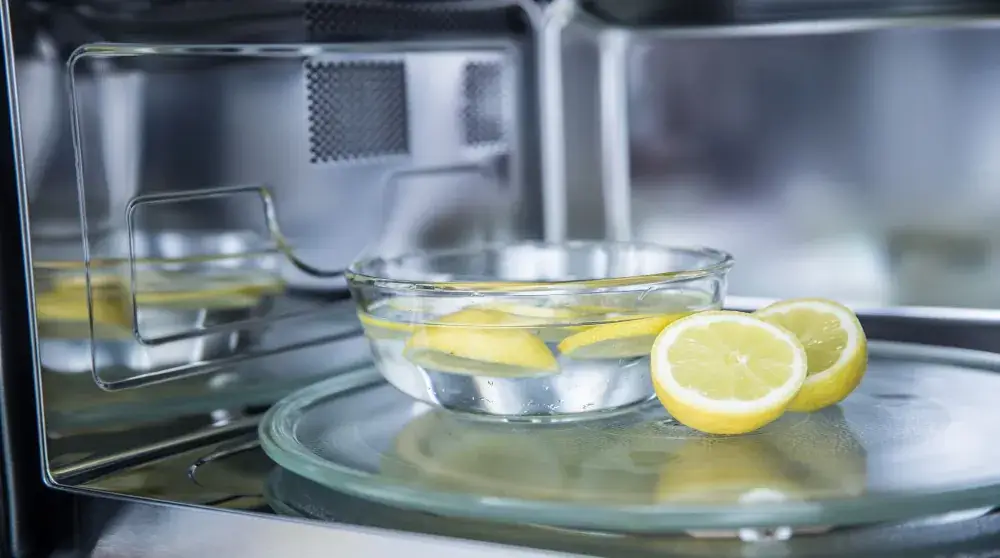
Lemon is one of the most recommended natural cleaners for microwaves. It’s simple, affordable, and avoids harsh chemicals near food. But many people still hesitate before trying it—asking a very reasonable question:
Is lemon actually safe for cleaning a microwave?
If you’ve ever worried about acid damage, lingering residue, or whether heating lemon could harm your microwave, you’re not alone. Safety concerns are common, especially when advice online sounds too good to be true.
This guide answers the question “is lemon safe for microwave cleaning?” honestly and clearly. You’ll learn why lemon works, when it’s safe, when to be careful, and how to use it correctly without damaging your appliance.
Why People Question Lemon Safety in Microwaves
The concern usually comes from two things: acidity and heat.
Lemon contains citric acid, and microwaves use heat and steam. When combined, people worry that the acid might damage interior surfaces, door seals, or internal components over time.
Others worry about:
- Acid residue contacting food
- Steam pressure causing damage
- Strong citrus smells lingering too long
These concerns are understandable—but in most cases, they’re based on misunderstanding how lemon steam cleaning actually works.
How Lemon Cleans a Microwave (From a Safety Perspective)
Lemon cleaning works through steam, not scrubbing or soaking.
When lemon slices or juice are heated in water:
- Steam loosens dried food splatters and grease
- Citric acid helps break down residue
- Moisture softens grime so it wipes away easily
Importantly, lemon is diluted in water, not applied directly to surfaces in concentrated form. This dilution is what keeps the method safe.
The microwave interior is designed to handle heat and moisture. Short steam sessions fall well within normal operating conditions.
Is Lemon Acid Strong Enough to Damage a Microwave?
In normal use, no.
Citric acid is a weak organic acid. When diluted in water—as it should be for microwave cleaning—it is far less aggressive than many commercial cleaners.
Microwave interiors are typically coated with:
- Enamel
- Ceramic-like finishes
- Stainless steel (in some models)
These materials are designed to withstand moisture, steam, and mild acidity.
Damage only becomes a concern when lemon is:
- Used undiluted
- Left sitting on surfaces for extended periods
- Used excessively without wiping and drying
When used correctly, lemon does not harm microwave interiors.
Is It Safe to Heat Lemon in the Microwave?

Yes, heating lemon in water is safe when done properly.
Lemon slices or juice heated in a microwave-safe bowl do not create harmful reactions. This is similar to heating water with citrus for tea or cooking purposes.
However, safety depends on how you do it.
Safe Practices When Heating Lemon
- Always add water (never heat lemon alone)
- Use a microwave-safe bowl
- Heat in short intervals (2–5 minutes)
- Let steam settle before opening the door
These steps prevent overheating and reduce the risk of splashing hot liquid.
Can Lemon Damage Microwave Door Seals or Vents?
When used properly, lemon steam does not damage door seals or vents.
Problems only arise if moisture is allowed to sit for long periods. Rubber door seals can trap moisture if not wiped dry, which may eventually cause odor or deterioration.
This isn’t a lemon-specific issue—it applies to any steam cleaning method.
Best Practice
After cleaning:
- Wipe door seals gently
- Dry corners and vents
- Leave the door open briefly to air out
This prevents moisture-related issues.
Is Lemon Residue a Food Safety Concern?
Lemon residue is food-safe.
Unlike chemical cleaners, lemon contains no toxic ingredients. Any remaining trace is edible and far safer than commercial cleaning residues.
That said, surfaces should still be wiped clean after steaming. The goal is cleanliness, not leaving juice behind.
For people with citrus sensitivities, thorough wiping removes any lingering residue or scent.
When Lemon Cleaning May NOT Be the Best Choice
While lemon is safe, it’s not always the best tool for every situation.
Very Heavy Burnt-On Residue
Severely burnt food may require repeated steam cleaning or a stronger natural deodorizer like vinegar.
Extremely Strong Odors
Burnt popcorn or fish smells may respond better to vinegar first, followed by lemon for freshness.
Neglected Microwaves
If a microwave hasn’t been cleaned in years, lemon may need multiple passes. This doesn’t mean it’s unsafe—just that expectations should be realistic.
For comparison, see Lemon vs Vinegar for Microwave Cleaning: Which Works Better?
Common Lemon Cleaning Mistakes That Cause Problems
Lemon itself isn’t the issue—technique is.
Using Lemon Without Water
Heating lemon juice or slices without water can overheat the acid and cause splatter.
Letting Lemon Liquid Sit Too Long
Leaving liquid pooled inside the microwave for long periods may dull surfaces over time.
Skipping the Drying Step
Moisture left behind can cause odors, not damage—but it creates the impression that lemon “caused” the problem.
Avoiding these mistakes keeps the method safe and effective.
How Often Is It Safe to Clean a Microwave With Lemon?
Lemon cleaning is safe for regular use.
Recommended frequency:
- Light use: once every 2–3 weeks
- Heavy use: once every 1–2 weeks
- Odor issues: as needed
For daily maintenance, simple wiping with warm water is often enough. Lemon works best as a routine deep-clean method, not something used every day.
Is Lemon Safer Than Commercial Microwave Cleaners?
In most households, yes.
Commercial cleaners may contain:
- Strong solvents
- Artificial fragrances
- Residues that require multiple wipes
Lemon avoids these risks entirely and relies on heat and moisture—two things your microwave already uses during normal operation.
For people concerned about chemical exposure, lemon is one of the safest cleaning options available.
Expert Take: Is Lemon Safe for Microwave Cleaning?
When used correctly, lemon is:
- Safe for microwave surfaces
- Safe around food
- Safe for regular household use
The key is dilution, moderation, and proper drying.
Lemon doesn’t damage microwaves—poor technique does.
Related Microwave Cleaning Guides
These guides help you clean your microwave safely and effectively using natural methods.
- How to Clean Microwave with Lemon (Fast, Natural & Effective Method)
- How to Clean Microwave Without Chemicals (Safe Natural Methods)
- Lemon vs Vinegar for Microwave Cleaning: Which Works Better?
- Microwave Cleaning Mistakes to Avoid
Final Answer: Is Lemon Safe for Cleaning a Microwave?
Yes—lemon is safe for cleaning a microwave when used properly.
It’s gentle, food-safe, and effective at loosening grease and reducing odors. As long as lemon is diluted with water, used for short steam sessions, and wiped dry afterward, it poses no risk to your microwave.
Used wisely, lemon is not just safe—it’s one of the best natural microwave cleaners available.