
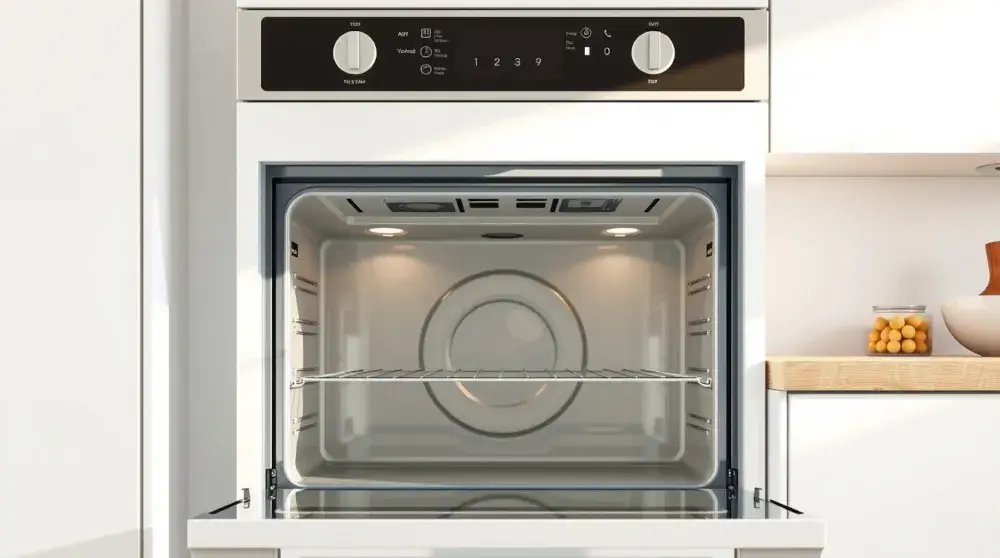
A sparkling clean oven makes a huge difference — not only in how your kitchen looks, but in how your food tastes and how safely your oven operates. Yet many people avoid cleaning their oven because it feels like a big, messy, unpleasant job. Between burnt cheese, spilled sauces, bubbling oils, and splattered grease, an oven can quickly turn into a smoky, smelly appliance that seems impossible to restore.
The good news? With the right hacks, you can clean your oven far more easily than you think — no harsh chemicals, no hours of scrubbing, and no headaches from fumes. Whether you want a fast 15-minute refresh or a deep overnight cleaning, this guide teaches you the easiest and safest ways to bring your oven back to life.
For more kitchen cleaning tips, you can also read the full ➡️ Kitchen Cleaning Master Guide and other connected articles like How to Clean Microwave with Lemon to complete your kitchen reset.
Let’s jump into the most effective oven cleaning tricks you can use today.
Why Oven Cleaning Matters More Than You Think
Burnt Grease Creates Smoke & Bad Odors
Every time food spills and bakes onto the oven walls, it becomes a carbonized crust. When you heat the oven again, that burnt grease releases smoke and odors into your kitchen. This is the number one cause of ovens producing smoke even when nothing is burning.
Residue Can Affect Food Taste
Old grease and burnt residue can create unpleasant flavors that get absorbed by food during baking. Even pastries or breads can take on a smoky or slightly burnt taste when the oven isn’t clean. A clean oven ensures your dishes taste the way they should.
Grease Build-Up Is a Fire Hazard
Built-up grease is extremely flammable. When exposed to very high heat, it can ignite. Keeping your oven clean isn’t just about aesthetics — it’s a crucial safety step to prevent kitchen fires.
Tools & Ingredients You Need
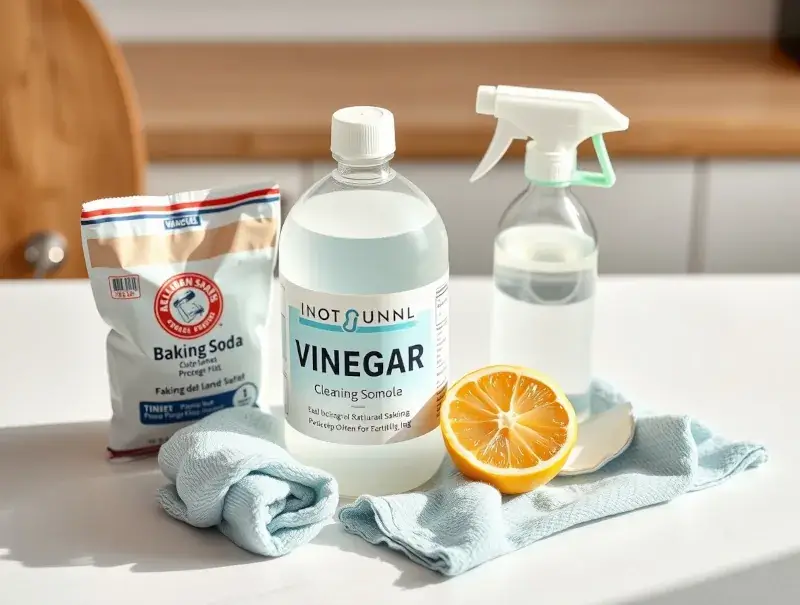
Natural Cleaners (Baking Soda, Vinegar, Lemon)
Baking soda is one of the best natural deodorizers and degreasers. Vinegar helps break down minerals and adds a foaming reaction when used with baking soda. Lemon is excellent for cutting odors and creating steam that loosens grease.
Heavy-Duty Products (Oven Cleaner, Degreaser)
These are useful for extremely dirty ovens, rental units, or ovens with thick black build-up. Modern commercial cleaners work faster than older formulas, but they should be used with care and proper ventilation.
Microfiber Cloth, Scrub Brush, Razor Scraper (for Glass)
Microfiber cloths trap dirt and grease more effectively. A scrub brush helps break down thick residue. A razor scraper is great for removing burnt-on stains from the oven door without scratching the glass (when used correctly).
Gloves & Protective Gear
Chemical cleaners and hot steam can irritate your skin. Gloves protect your hands and make the cleaning process more comfortable. If you use heavy-duty degreasers, consider a mask for additional protection.
Quick Oven Cleaning (15-Minute Hack)
This is ideal when you don’t have time for a deep clean but want your oven to look and smell fresh.
Step 1 — Remove Loose Debris
Remove crumbs, burnt pieces, and loose dirt from the bottom of the oven using a handheld vacuum or a dry cloth. Getting rid of loose debris prevents smearing when you clean.
Step 2 — Use Lemon Steam to Loosen Grease
Fill an oven-safe bowl with water and lemon slices. Place it inside the oven and heat at 200°C (400°F) for 10 minutes. The lemon steam softens grease and makes wiping much easier. This trick is similar to the method used in ➡️ How to Clean Microwave with Lemon.
Step 3 — Wipe & Freshen
After steaming, wipe the oven walls with a warm, damp cloth. You’ll notice grease lifting off quickly. This method won’t remove thick buildup, but it’s perfect for weekly maintenance or refreshing the oven before cooking.
Deep Cleaning Method — Baking Soda Paste (No Chemicals)
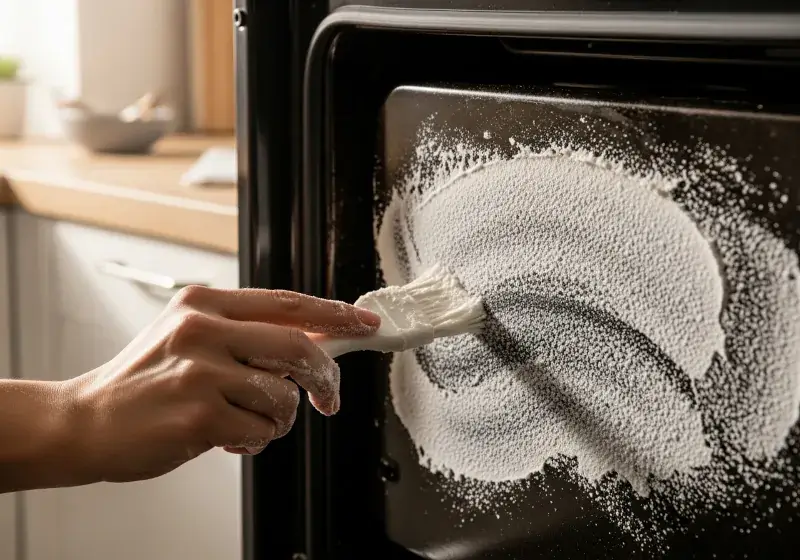
If you want a thorough clean without chemical fumes, this method is your best friend.
Step 1 — Create Baking Soda Paste
Mix ½ cup of baking soda with a few tablespoons of water. Adjust the amount of water until the paste has a thick, spreadable consistency. This paste sticks to oven surfaces and breaks down grease effectively.
Step 2 — Coat Interior Walls, Floor & Door
Using a spatula or gloved hand, spread the paste across the oven interior. Avoid coating the heating elements. Make sure to cover burnt areas and grease-heavy zones thoroughly.
Step 3 — Let It Sit Overnight
This is the magic step. Baking soda needs time to break down hardened grease and burnt residue. Leaving it overnight gives it hours to react with the oils and proteins stuck to the oven walls.
Step 4 — Scrub & Wipe Off Residue
Use a damp sponge or brush to scrub areas where the paste has turned brown. This indicates that grease has lifted. Wipe off as much residue as you can with a damp cloth.
Step 5 — Use Vinegar Spray to Activate Foam Reaction
Spray vinegar onto remaining baking soda residue. The foam reaction helps lift stubborn bits and makes the oven easier to rinse clean. This chemical-free reaction is gentle but powerful.
Step 6 — Final Rinse & Dry
Use a fresh, damp cloth to wipe everything down. Drying with a microfiber cloth gives the oven a polished look and prevents streaks.
How to Clean Oven Racks (3 Different Methods)
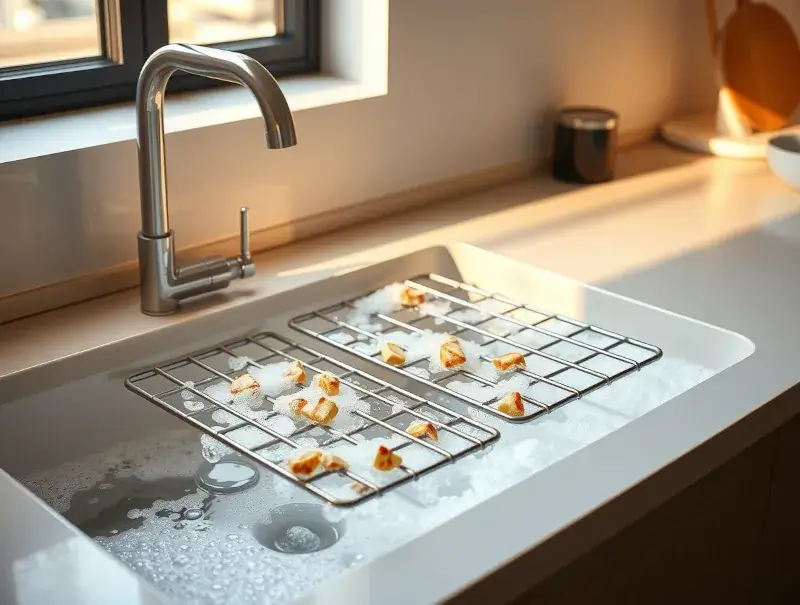
Bathtub Soak Method (Easiest)
Fill your tub with hot water and a generous amount of dish soap or laundry detergent. Submerge the racks for 4–6 hours. Grease will slide off easily with a sponge.
Trash Bag Ammonia Method (Heavy Duty)
Place the oven racks in a heavy-duty trash bag and add a small bowl of ammonia. Seal the bag and leave it outside overnight. The fumes break down grease. Rinse thoroughly afterward. This method should be done in a ventilated outdoor area.
Dishwasher Tablet Scrubbing Method
Dip a dishwasher tablet in warm water and scrub the racks using the softened tablet. The degreasing agents inside dissolve grease quickly.
How to Clean the Oven Glass Door
Baking Soda Paste for Surface Stains
Spread baking soda paste on the glass door and let it sit for 20–30 minutes. Wipe with a damp cloth to remove hazy spots and grease streaks.
Razor Scraper for Burnt-On Spots (Safe Technique)
Hold the razor at a 45° angle and gently scrape burnt residue from the glass. Always scrape in a single direction. Avoid using the razor on the metal frame.
Cleaning Between the Glass Panels
Some oven models allow you to remove the door screws to access the space between glass layers. This area often traps dust and streaks. If unsure, consult the oven manual before attempting.
How to Clean Oven Bottom (With or Without Heating Element)
For Covered Heating Element (Easier)
Most modern ovens have a hidden bottom element, making cleaning much easier. Apply baking soda paste or a mild degreaser and wipe thoroughly.
For Exposed Heating Element
Avoid spraying large amounts of water or soaking the area. Instead, clean around the element using a damp cloth. For tough spots, use a small brush dampened with cleaning solution.
Use Foil or Oven Liner to Prevent Future Mess
Place oven liners or aluminum foil on a lower rack (not directly touching the heating element) to catch spills and reduce future clean-up time.
Naturally Deodorize Your Oven
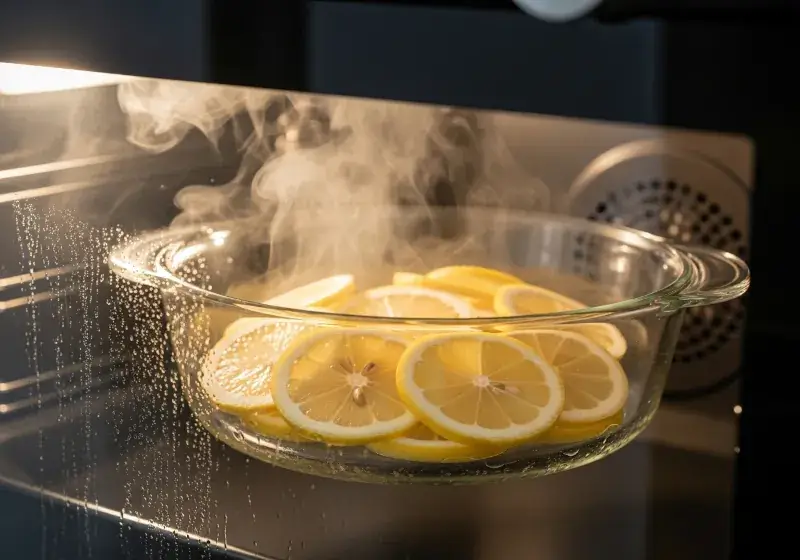
Lemon Steam Refresh
Lemon slices and water heated for 10 minutes eliminate odors naturally and leave the oven smelling bright and fresh.
Coffee Grounds Method
Place a bowl of dry coffee grounds in the oven overnight. Coffee absorbs strong odors like burnt grease or fish.
Baking Soda Bowl Overnight
Baking soda absorbs lingering smells and freshens the oven without any scent.
When to Use Chemical Oven Cleaners (And Safety Tips)
Heavy Grease or Rental Unit Ovens
If your oven hasn’t been cleaned in years or has thick black residue, chemical cleaners may be the fastest option. They dissolve tough carbon quickly.
Ventilation & Gloves Are Mandatory
Chemical oven cleaners release fumes that require fresh air circulation. Open windows, run a hood vent, and wear gloves to protect your skin.
Avoid Spraying Near Heating Elements
Spraying chemicals directly on heating elements can be dangerous and may damage the oven. Apply chemicals carefully and wipe thoroughly afterward.
Self-Cleaning Oven Mode — Pros & Cons
How Self-Cleaning Mode Works
Self-clean mode heats your oven to extremely high temperatures (450–500°C). This burns food residue into ash that can be wiped away easily.
Pros — No Scrubbing, High Effectiveness
It’s the most hands-off cleaning method. Great for people who don’t want to scrub.
Cons — Smoke, Odors, Safety Issues
Self-cleaning mode can generate smoke and strong smells. It also places stress on oven components. Pets and children should be kept away during the process.
When Should You Avoid Self-Cleaning Mode?
Avoid using self-clean on older ovens, ovens with damaged gaskets, or ovens in very small kitchens with poor ventilation.
Preventing Future Oven Messes
Cover Dishes to Avoid Splatter
Using oven-safe covers or aluminum foil can reduce splatter by up to 90%.
Clean Spills Immediately After Oven Cools
Fresh spills come off easily. Hardened spills take hours to remove.
Use Baking Trays for Drippy Foods
If you’re cooking casseroles or oily dishes, place a baking tray underneath to catch drips.
Monthly Mini-Clean Routine
A quick baking soda wipe-down each month keeps grease from building up. Maintaining your cabinets after cooking also helps — explore ➡️ How to Degrease Kitchen Cabinets
Mistakes to Avoid
Using Abrasive Scrubbers Inside Oven Cavity
Steel wool and harsh scrubbers can scratch the enamel coating inside your oven. Stick to non-abrasive sponges and microfiber cloths.
Cleaning While Oven Is Still Hot
Cleaning while the oven is hot can cause burns and even warp cleaning tools. Always let it cool completely.
Spraying Water on Heating Element
This can cause electrical damage or short circuits. Clean around the element carefully using a lightly dampened cloth.
Frequently Asked Questions
What is the easiest way to clean an oven?
Lemon steam for quick cleaning, and baking soda paste for deep cleaning. These natural methods require minimal scrubbing.
How do I clean stubborn burnt grease?
Use baking soda paste overnight, then scrub with a damp sponge. For extremely tough areas, use a razor scraper or chemical cleaner carefully.
Is baking soda and vinegar safe for ovens?
Yes. The combination is safe and effective for removing grime and odors. Just avoid using too much vinegar on the oven door frame if it’s aluminum.
Can I clean my oven without chemicals?
Absolutely. Baking soda, vinegar, lemon steam, and dishwasher tablets are powerful natural cleaners.
How often should I deep clean my oven?
Every 2–3 months depending on usage. Heavy bakers or frequent roasters may need a monthly clean.
Can I use dishwasher tablets inside the oven?
Yes, but only for scrubbing (not for running an oven cycle). They work well on racks and interior stains.
Final Thoughts — A Cleaner Oven Makes Cooking Better
Cleaning your oven doesn’t have to be exhausting or intimidating. With the right hacks — from baking soda paste to lemon steam to careful scraping — you can restore your oven’s shine without harsh chemicals. A clean oven cooks better, smells better, looks better, and keeps your kitchen safer. Add these tips to your cleaning routine and enjoy a fresher, more enjoyable cooking experience.
For more kitchen cleaning guides, check out:
➡️ Kitchen Cleaning Master Guide
➡️ How to Clean Microwave with Lemon
➡️ How to Clean Stainless Steel Sink
➡️ How to Clean Kitchen Countertops